
Cities we serve around Littleton, CO
Based at 1221 W Mineral Ave in Littleton, our service trucks navigate C-470, US-285, and S Santa Fe Dr daily to provide prompt water heater repairs and replacements throughout the southwest Denver metro.
County Hubs
Regional coverage across the three major southwest metro counties:
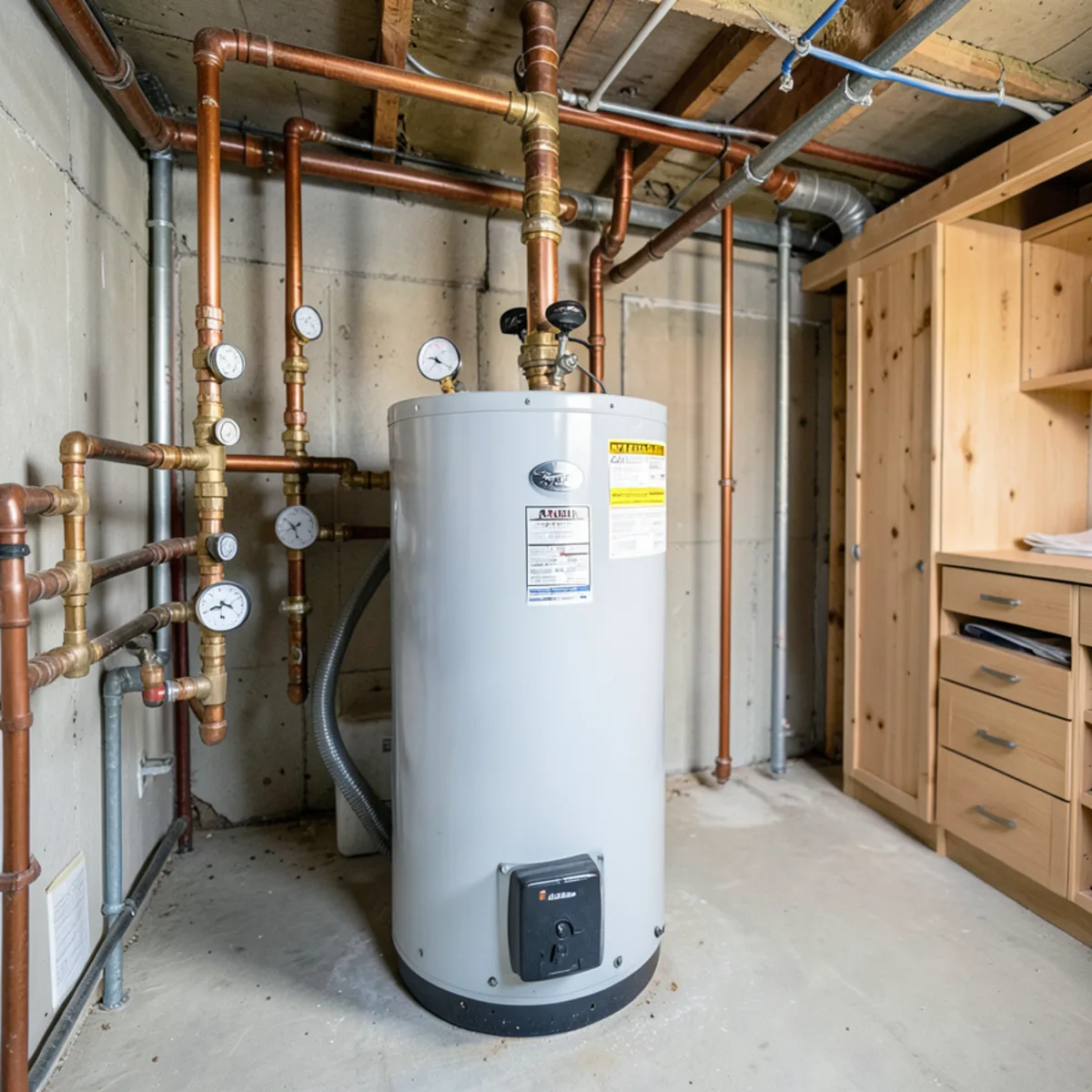
Arapahoe County, CO
Arapahoe County encompasses a wide architectural continuum spanning nearly seven decades of Front Range suburban development. In western communities like Littleton, Englewood, and Sheridan, residential neighborhoods consist largely of 1950s and 1960s brick ranches and tri-level layouts with utility rooms tucked into tight laundry closets or partially finished crawlspaces. Moving eastward through Centennial, Greenwood Village, and southern Aurora, the housing stock shifts toward substantial two-story single-family homes built between 1980 and 2015. Over eighty-five percent of these suburban residences feature fully finished basements where water heaters share utility space alongside high-efficiency HVAC equipment. Because water heaters installed in finished living areas pose substantial structural flood risks upon tank failure, installations across Arapahoe County demand high-grade aluminum drain pans, full-bore drain pipes routed to floor drains, and automatic moisture-sensing shutoff valves. Our licensed technicians inventory specialized standard-vent, power-vent, and condensing tankless units to match the unique mechanical envelope of every Arapahoe home.
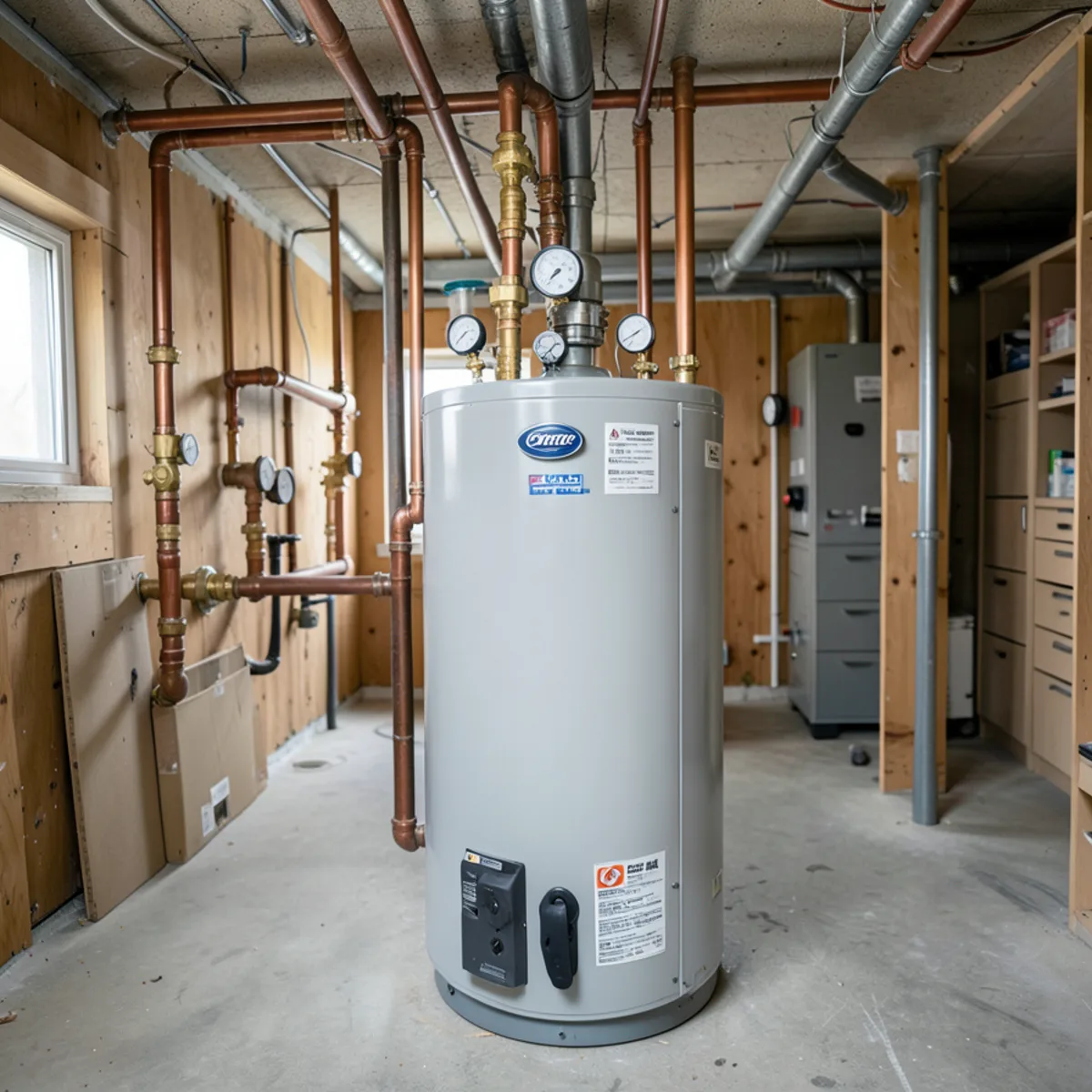
Jefferson County, CO
Jefferson County spans a dramatic geographic transition, rising from the urban plains of Lakewood and Wheat Ridge into the rugged hogbacks and foothills of Ken Caryl, Morrison, and Golden. This topographical range creates distinct housing typologies with unique water heating requirements. Eastern suburban neighborhoods predominantly feature 1950s and 1960s brick ranches and 1970s split-levels with basement utility rooms or garage mechanical closets. As you move westward toward the hogback ridges, custom multi-level homes and foothills estates incorporate walk-out basements, extensive hydronic floor heating loops, and multiple luxury bathrooms. In these foothill environments, steep canyon winds frequently cause downdrafting in conventional natural-draft chimneys, blowing out pilot flames and spilling combustion gases. Our licensed technicians resolve these issues by installing sealed-combustion power-vented tanks or direct-vent condensing tankless systems that draw outside air through sealed PVC or polypropylene pipes, ensuring reliable operation during severe mountain windstorms.
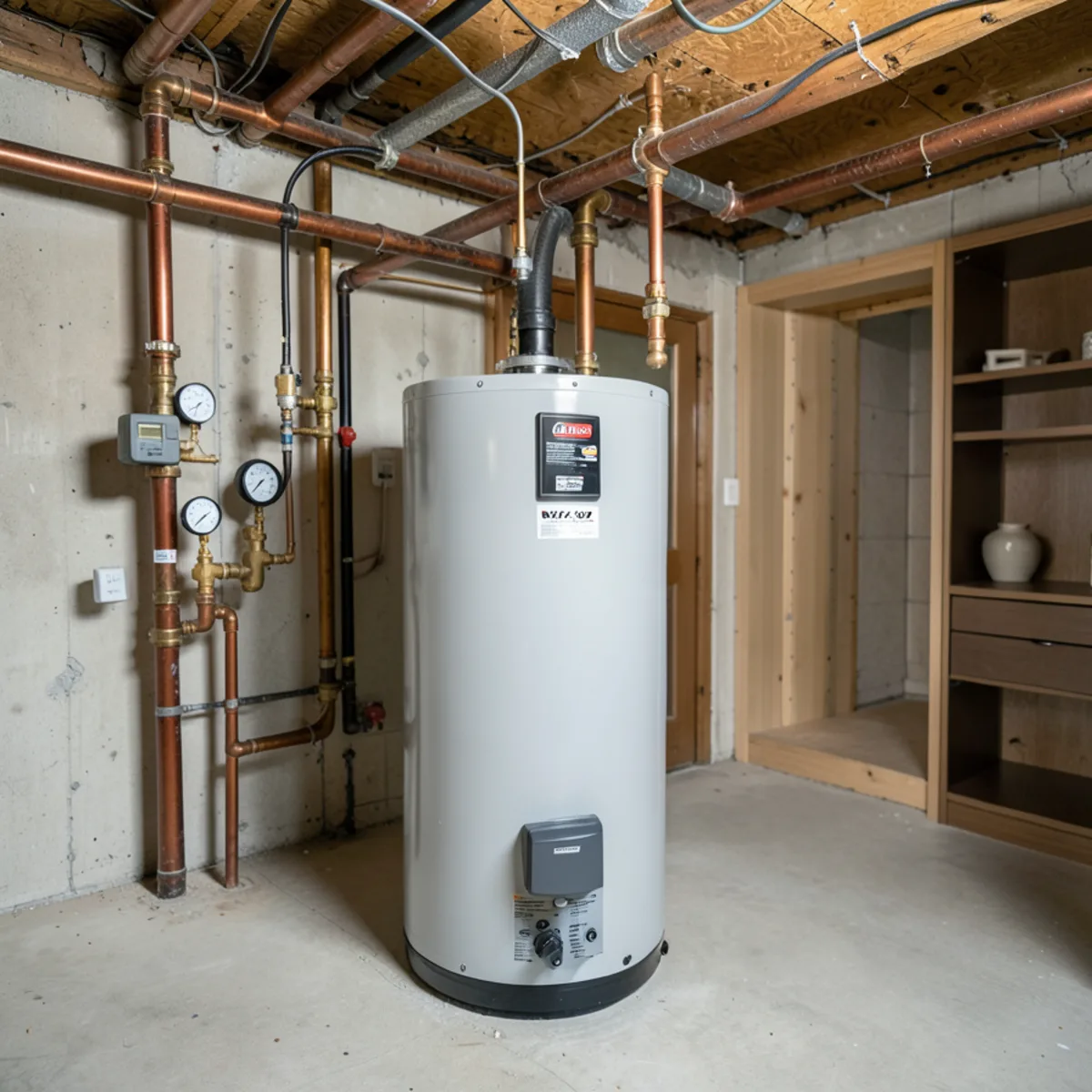
Douglas County, CO
Douglas County ranks among the fastest-growing regions along the Front Range, distinguished by expansive master-planned suburban developments established from the mid-1980s through the present day. Communities such as Highlands Ranch, Castle Pines, and the rolling subdivisions of Parker and Castle Rock feature substantial multi-level residences ranging from 3,200 to over 5,500 square feet. Nearly all of these properties incorporate fully finished basements containing dedicated mechanical rooms where water heaters operate adjacent to forced-air furnaces. In many original builds, contractors installed basic 50-gallon atmospheric storage tanks that struggle to satisfy modern multi-bath domestic demands or high-volume soaking tubs. As these original builder units surpass their ten-to-fifteen-year life cycles, homeowners face critical replacement decisions. Upgrading to high-capacity 75-gallon power-vented units or high-efficiency condensing tankless systems with dedicated recirculation lines represents the gold standard for restoring reliable, continuous hot water.
Tier 1: Bordering Littleton Communities
Municipalities and unincorporated communities immediately adjacent to Littleton with fastest dispatch times:
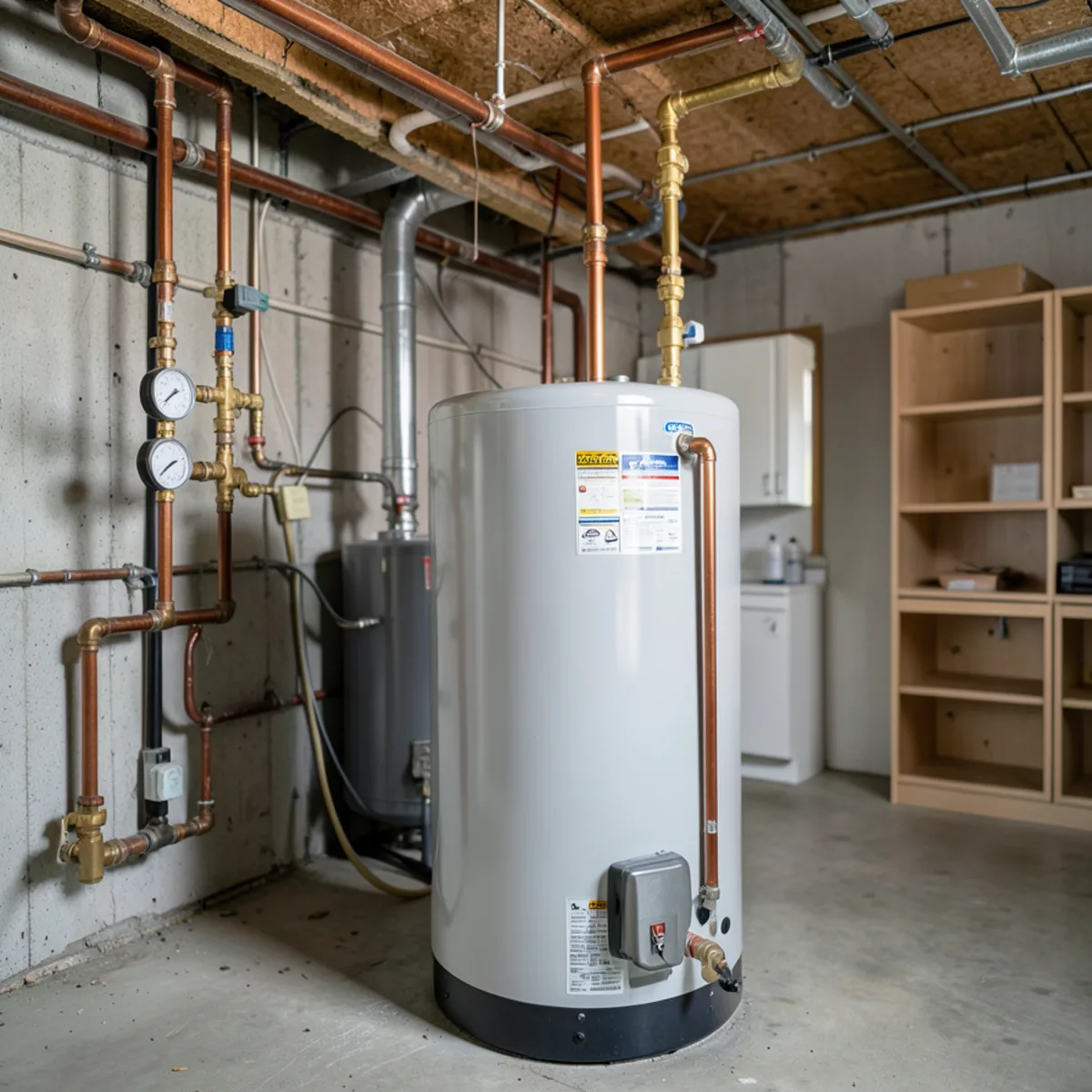
Centennial, CO
Residential neighborhoods across Centennial encompass distinct construction eras that dictate specific water heating challenges. Western Centennial features classic 1970s and 1980s ranch and split-level homes throughout Southglenn, Nob Hill, and Willow Creek, where original water heaters were typically installed in unfinished basements adjacent to laundry areas. Over the decades, many of these basements have been converted into finished living suites, requiring our plumbers to install code-mandated emergency drain pans, automated water shutoff sensors, and dedicated discharge piping to prevent devastating floor damage. In eastern Centennial subdivisions like Smoky Hill, Saddle Rock, and Piney Creek, larger two-story homes built in the 1990s and 2000s feature expansive multi-bathroom layouts with high peak hot water demands. In these properties, we frequently install 50-gallon high-recovery atmospheric tanks or modern high-efficiency tankless cascading systems to ensure continuous hot water across concurrent morning showers.
Englewood, CO
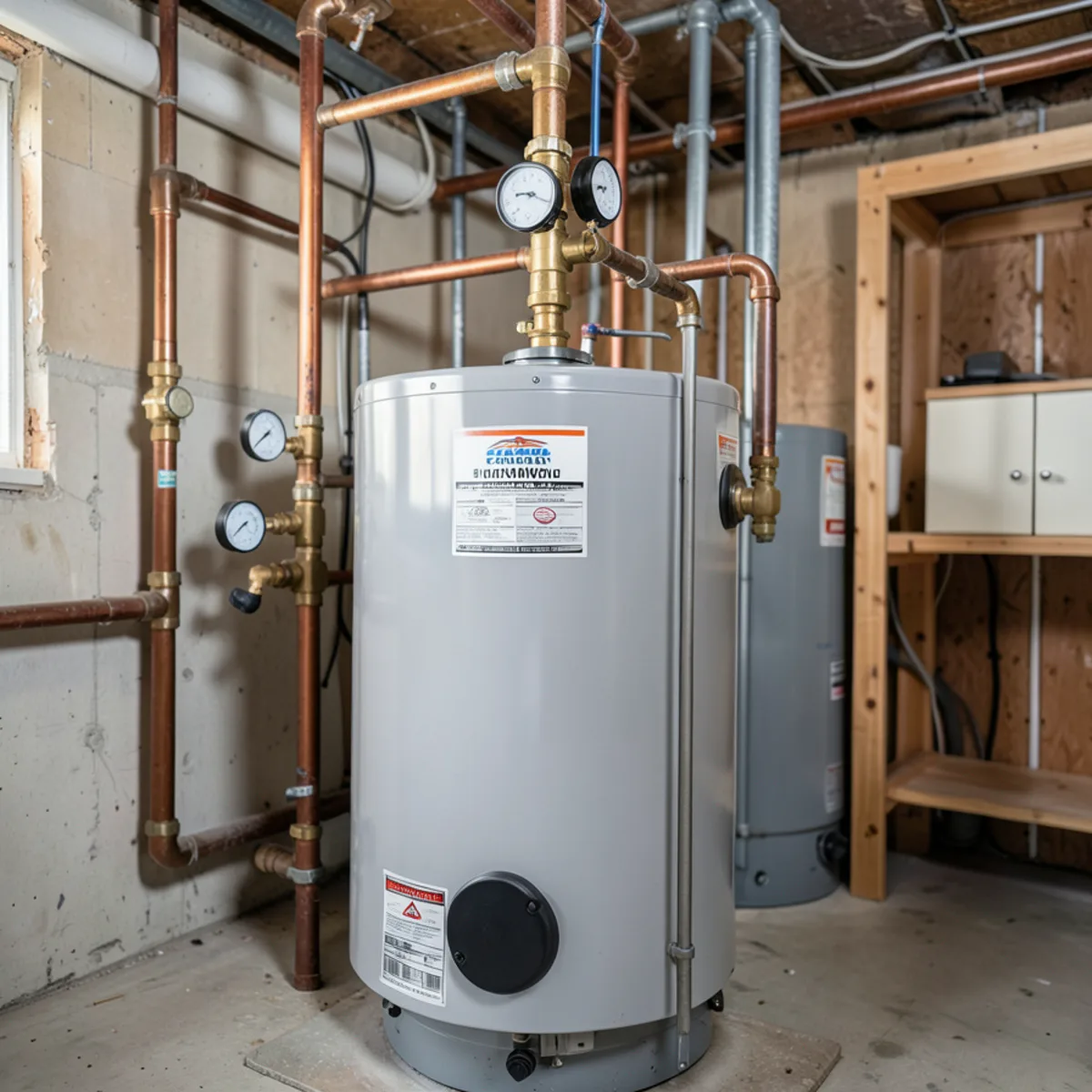
Residential architecture across Englewood presents unique mechanical constraints shaped by historic development eras. The city is renowned for its 1920s brick bungalows, postwar cottages, and 1950s ranches situated between South Broadway and Swedish Medical Center. These mature residences frequently feature low-clearance basement ceilings (often under six and a half feet), narrow thirty-inch staircases, and tight cellar doorways. Standard modern 50-gallon water heaters with thick foam insulation often struggle to clear these restricted openings. Our technicians specialize in dimensional site surveys, sourcing commercial-grade short or lowboy tank configurations from Bradford White and Rheem that deliver high recovery without requiring structural carpentry. Furthermore, many older Englewood residences still utilize legacy galvanized piping or ungrounded wiring, requiring our master plumbers to install dielectric brass unions and electrical grounding bonding jumpers during replacement to prevent accelerated galvanic corrosion.
Highlands Ranch, CO
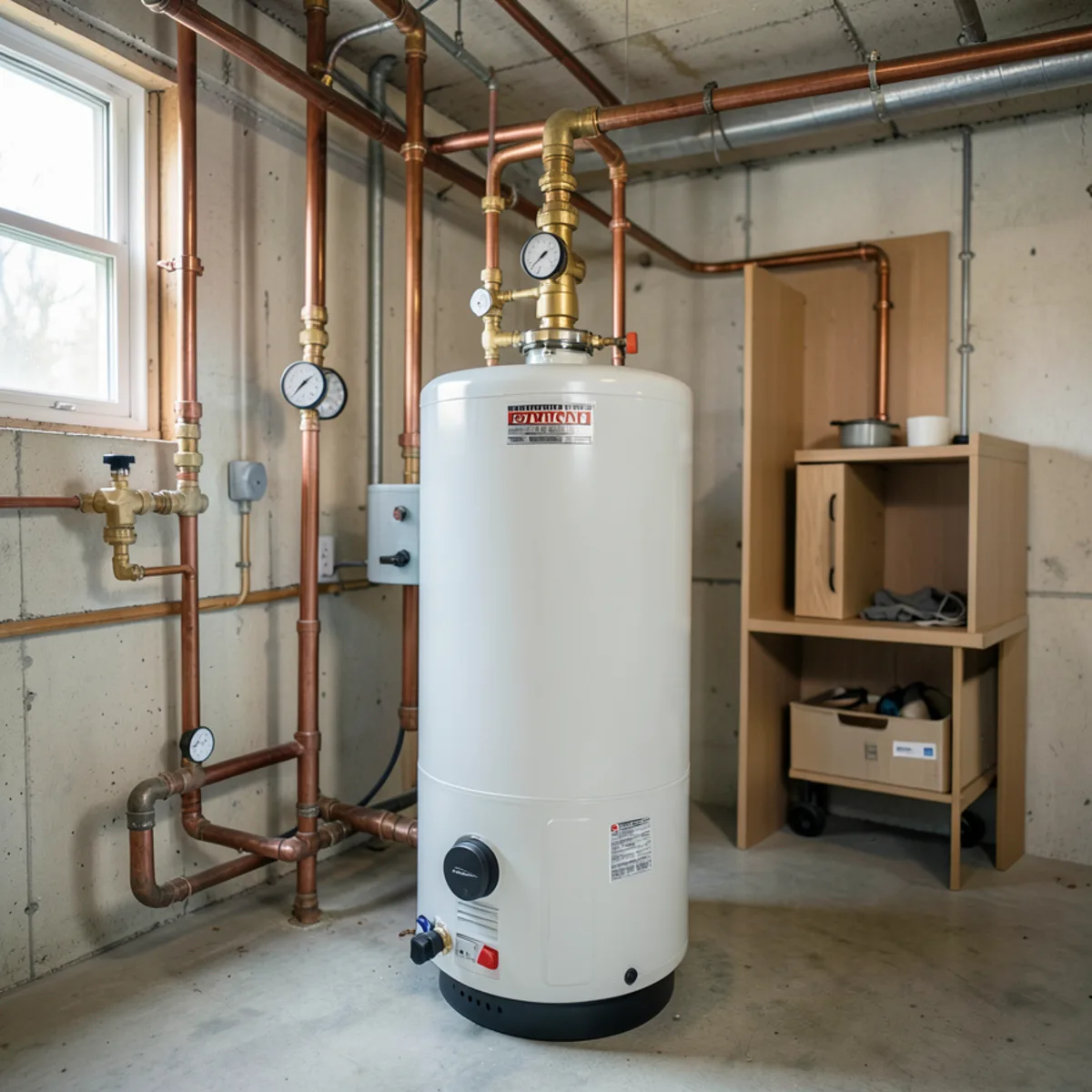
Highlands Ranch is one of Colorado premier master-planned residential communities, constructed primarily between 1985 and 2010 across four distinct village sectors: Northridge, Southridge, Eastridge, and Westridge. The majority of these homes are spacious two-story and multi-level floorplans featuring full basements, multiple bathrooms, and high-demand soaking tubs. During original construction, tract builders installed standard 50-gallon atmospheric or side-wall power-vent gas water heaters designed for a ten-year lifespan. Today, tens of thousands of these original builder-grade units are twelve to twenty years old—operating well past their design threshold on borrowed time. Finished basements with expensive home theaters, guest bedrooms, and hardwood floors make a sudden bottom tank rupture catastrophic. Our master plumbers specialize in preventative changeouts, upgrading aging tanks to heavy-duty Bradford White models or wall-hung Navien tankless units equipped with secondary flood protection pans, automatic water shutoff valves, and structural seismic strapping.
Ken Caryl, CO
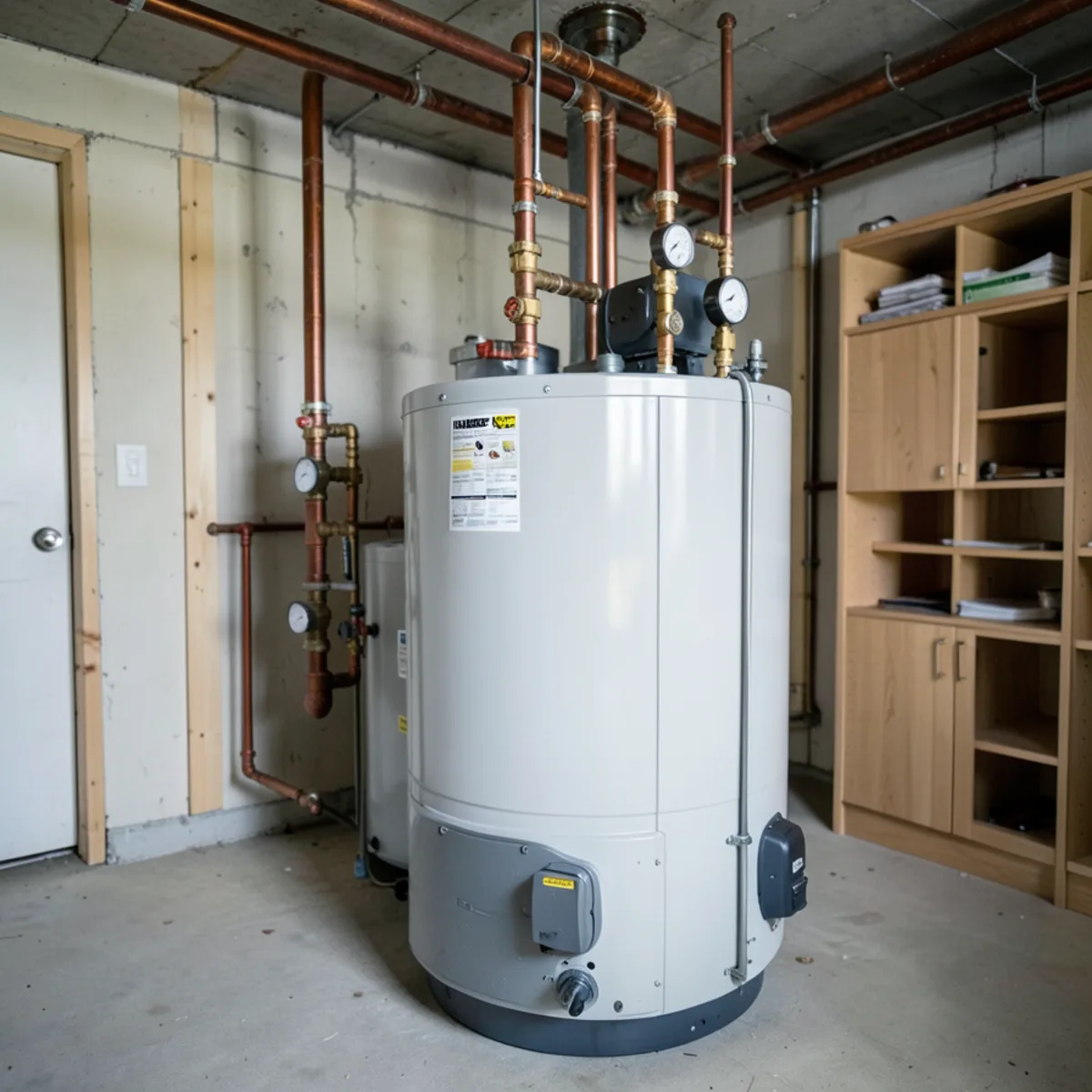
Established along the red rock hogbacks of the Dakota Hogback, Ken Caryl features two distinct micro-climates and housing eras: the Plains developments built through the 1980s and 1990s, and the secluded custom estates of Ken Caryl Valley tucked between mountain ridges. Homes in the Valley frequently feature sprawling walkout basements, cathedral ceilings, and custom mechanical layouts with remote domestic plumbing runs. Because many Valley residences are positioned in natural wind corridors below mountain passes, downslope Front Range winds can create positive outdoor pressure against roof terminations. This downdraft frequently overwhelms traditional natural-draft atmospheric water heaters, blowing out pilot flames and spilling combustion gases. Our licensed master plumbers routinely retrofit problematic atmospheric flues with sealed combustion power-vent models or high-efficiency condensing tankless systems from Navien and Rinnai that utilize dedicated motorized draft blowers impervious to foothill gusts.
Columbine, CO
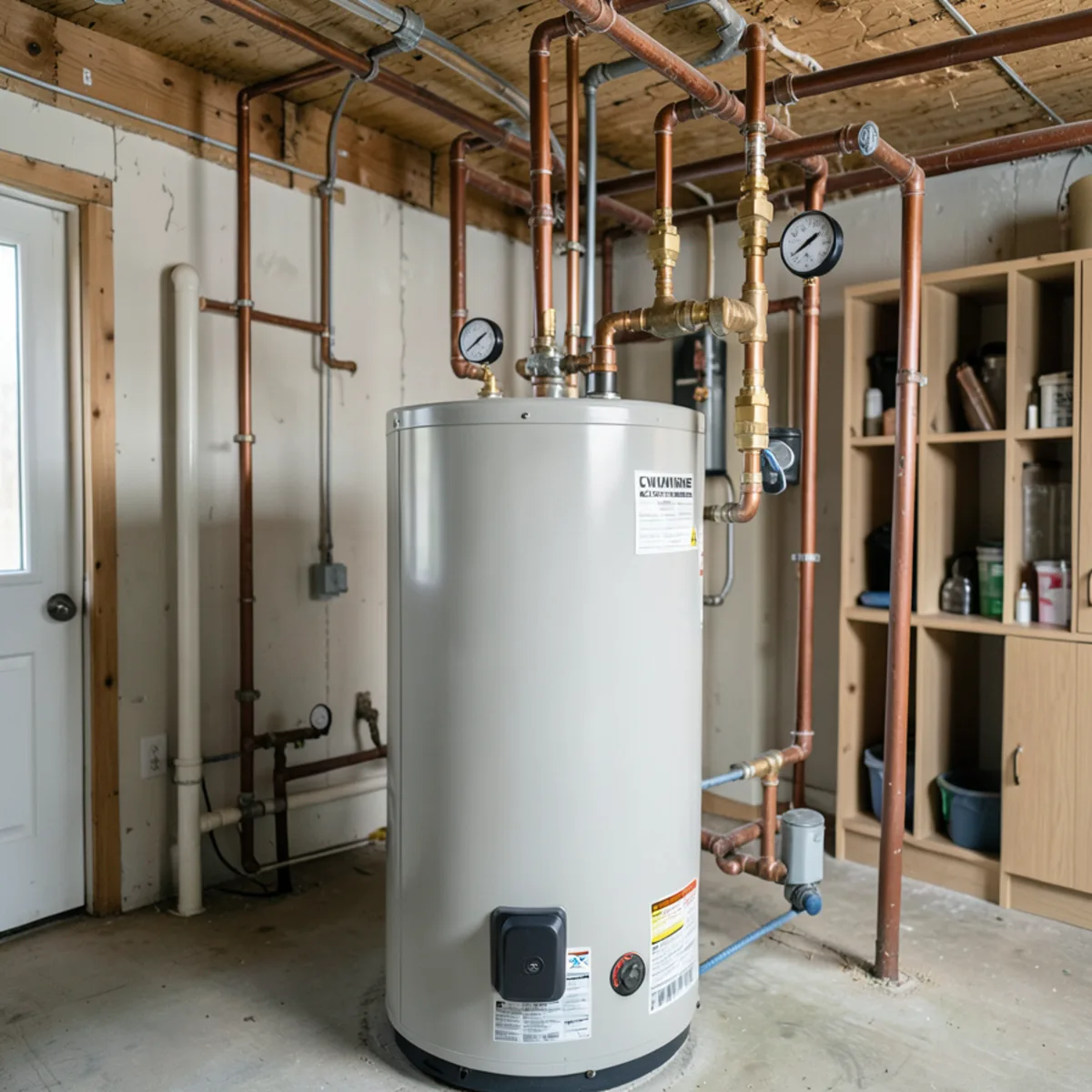
Constructed predominantly between the mid-1960s and late 1980s, the mature neighborhoods of Columbine—including Columbine Hills, Columbine Knolls South, and Columbine West—feature solid brick ranches, multi-level splits, and spacious two-story family residences. Virtually all of these homes were engineered with full basements housing the primary mechanical equipment, furnace, and laundry facilities. Through years of family remodeling, many of these basements were converted into active living quarters, home offices, and guest suites with plush carpeting and drywall. When a conventional 40 or 50-gallon water heater reaches its twelve-year lifespan and develops a tank fracture, the resulting flood can cause tens of thousands of dollars in property damage. Our master plumbers specialize in basement safety retrofits, replacing worn water heaters with heavy-duty water heating units engineered by Bradford White fitted with durable aluminum containment pans, relief lines piped directly to approved floor drains, and moisture-activated emergency shutoff valves.
Columbine Valley, CO
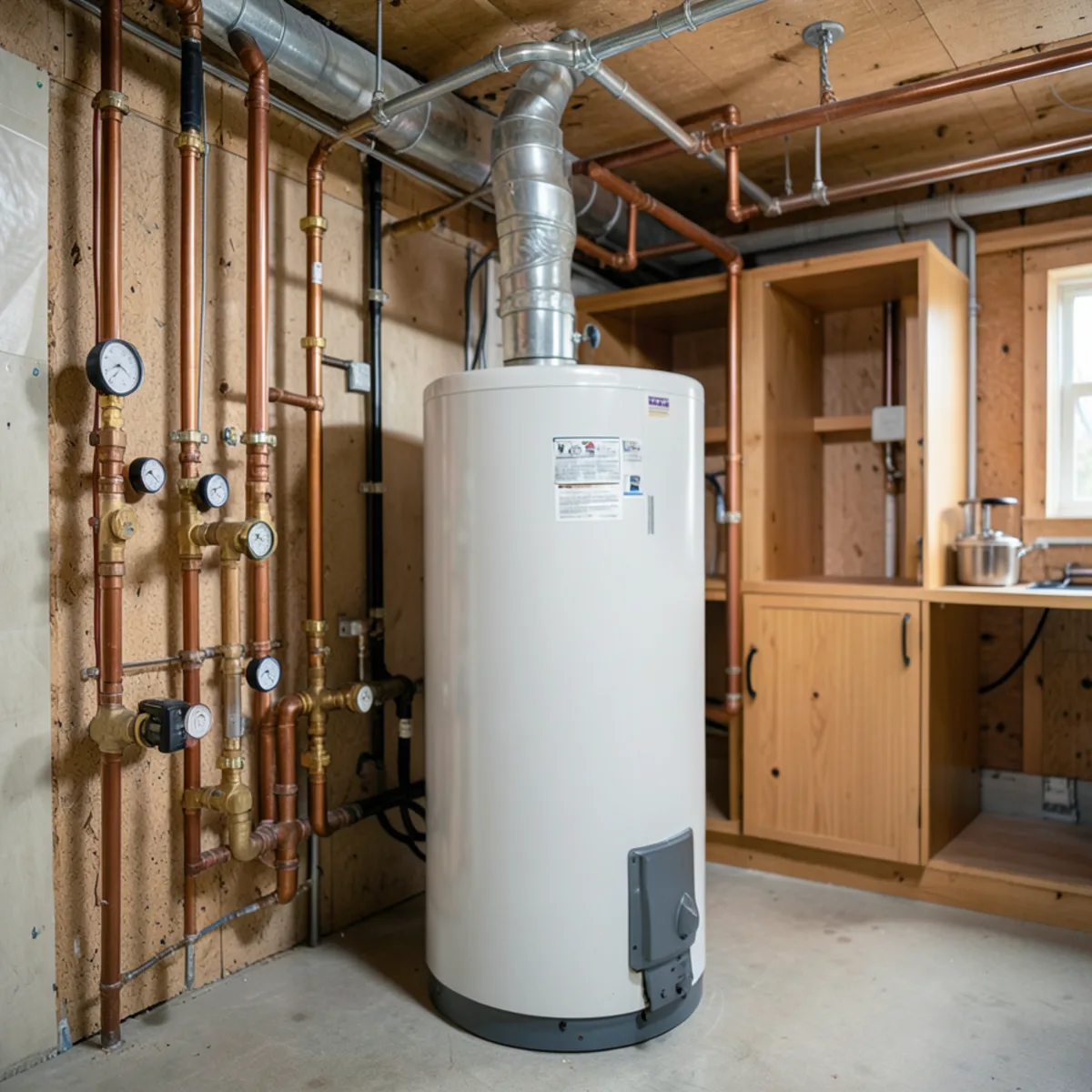
Bordering the scenic western bank of the South Platte River, the Town of Columbine Valley is a prestigious residential enclave renowned for custom luxury homes, gated enclaves like the Polo Reserve, and estate residences lining the Columbine Country Club championship golf course. Architectural layouts here average four thousand to over eight thousand square feet, featuring sprawling single-level ranches and multi-wing two-story floorplans with dedicated guest quarters, luxury spa bathrooms, steam showers, and deep hydrotherapy soaking tubs. Supplying these fixture-heavy estates requires advanced domestic hot water engineering far beyond standard tract-home equipment. Original mechanical rooms often feature dual 50 or 75-gallon gas storage tanks plumbed in parallel, or complex hydronic boiler combinations. Our master plumbers specialize in engineering whisper-quiet high-capacity domestic water systems: installing parallel Bradford White commercial-grade tanks with balanced hydraulic headers, or configuring intelligent multi-unit Navien NPE cascading tankless arrays that modulate burner output from 10,000 to nearly 400,000 BTU/hr to provide limitless hot water without temperature fluctuation.
Sheridan, CO
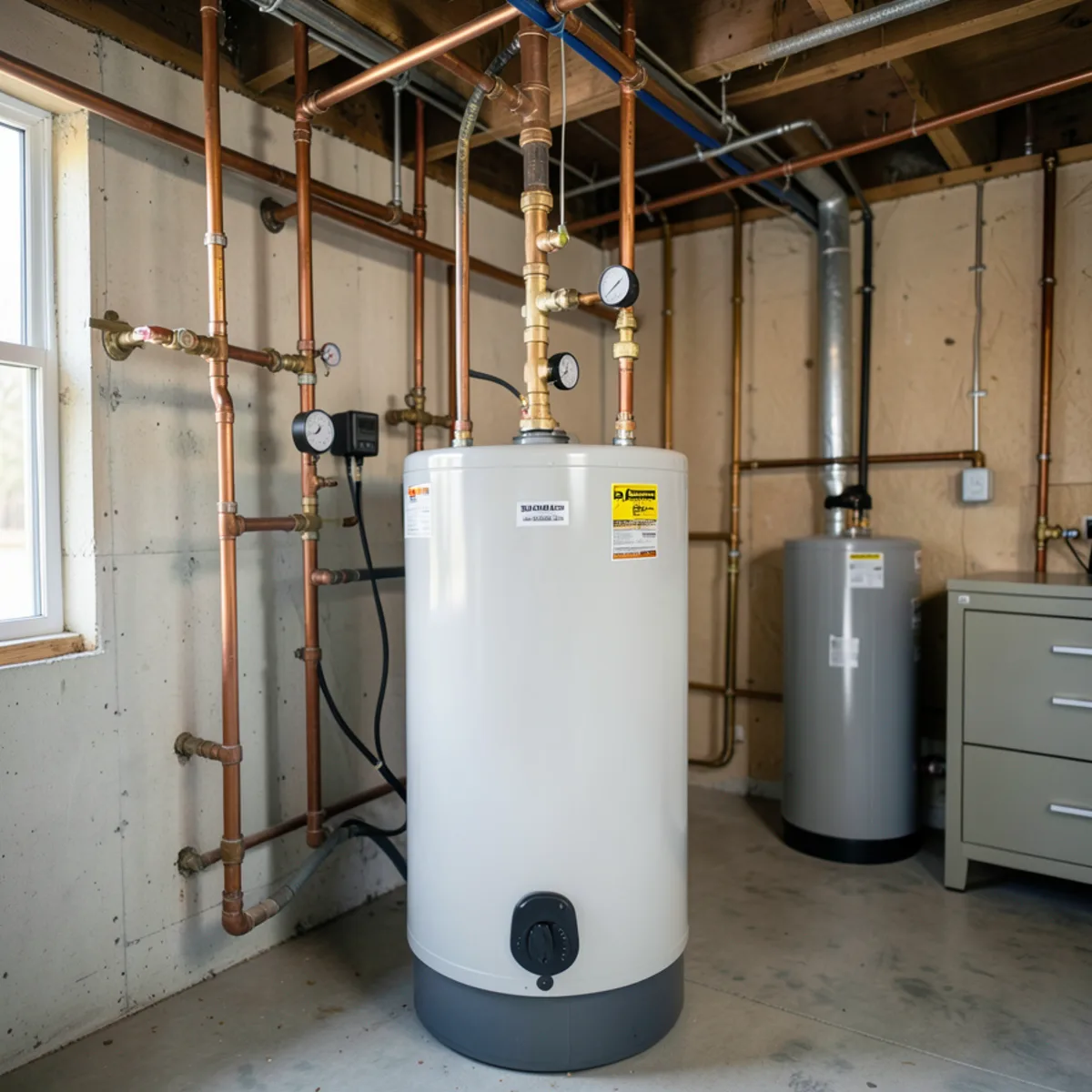
Flanked by Englewood to the east and the South Platte River corridor to the west, Sheridan features a distinctive mix of 1940s and 1950s single-story brick ranches, frame cottages, and mobile home communities alongside modern multi-family complexes near River Point. Many of these mid-century residences were constructed without full basements, placing original water heaters inside cramped hallway closets, narrow kitchen alcoves, or low-overhead crawlspaces. Fitting modern replacements into these confined spaces requires careful planning, as federally mandated foam insulation has added up to two inches to tank diameters. When standard 40-gallon or 50-gallon tall heaters will not clear overhead ductwork or side framing, our technicians install purpose-built lowboy or slim-diameter Bradford White units. We also correct compromised single-wall exhaust piping, replacing degraded steel pipes with double-wall Type B venting to maintain proper fire separation clearances from combustible wall framing.
Bow Mar, CO
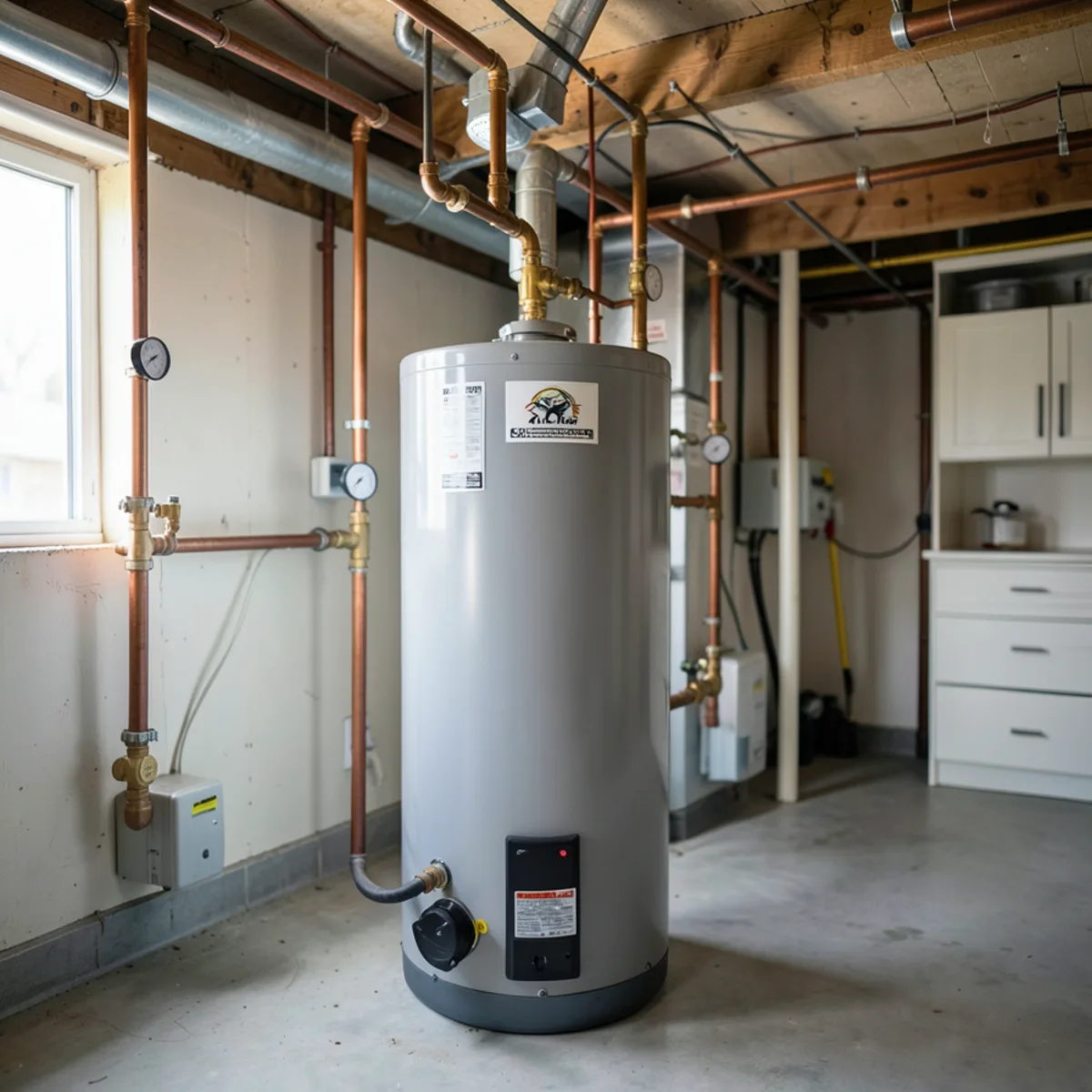
Incorporated in 1958 and set around the scenic perimeter of Bowles Reservoir (Bow Mar Lake), the Town of Bow Mar is renowned for its protected one-acre zoning and expansive custom mid-century modern single-story ranches. Built largely between 1950 and the early 1970s, these architect-designed homes feature low-pitched or flat rooflines, large open living areas, floor-to-ceiling glass expanses, and sprawling horizontal floor plans often extending between 3,500 and 6,000 square feet. From a water heating perspective, this architectural style introduces two major challenges: mechanical rooms are frequently located at one far wing of the house, resulting in trunk lines stretching over 75 to 100 feet to reach master en-suites, and delicate low-slope tar-and-gravel or membrane roofs make traditional vertical chimney penetrations undesirable. Our master technicians routinely install high-efficiency condensing tankless arrays or premium hybrid units paired with sidewall polypropylene venting routed cleanly through perimeter rim joists, preserving roof integrity while satisfying strict architectural preservation covenants.
Tier 2: Southwest Denver Metro Corridor
Comprehensive coverage across Jefferson, Arapahoe, and Douglas counties:
Lakewood, CO
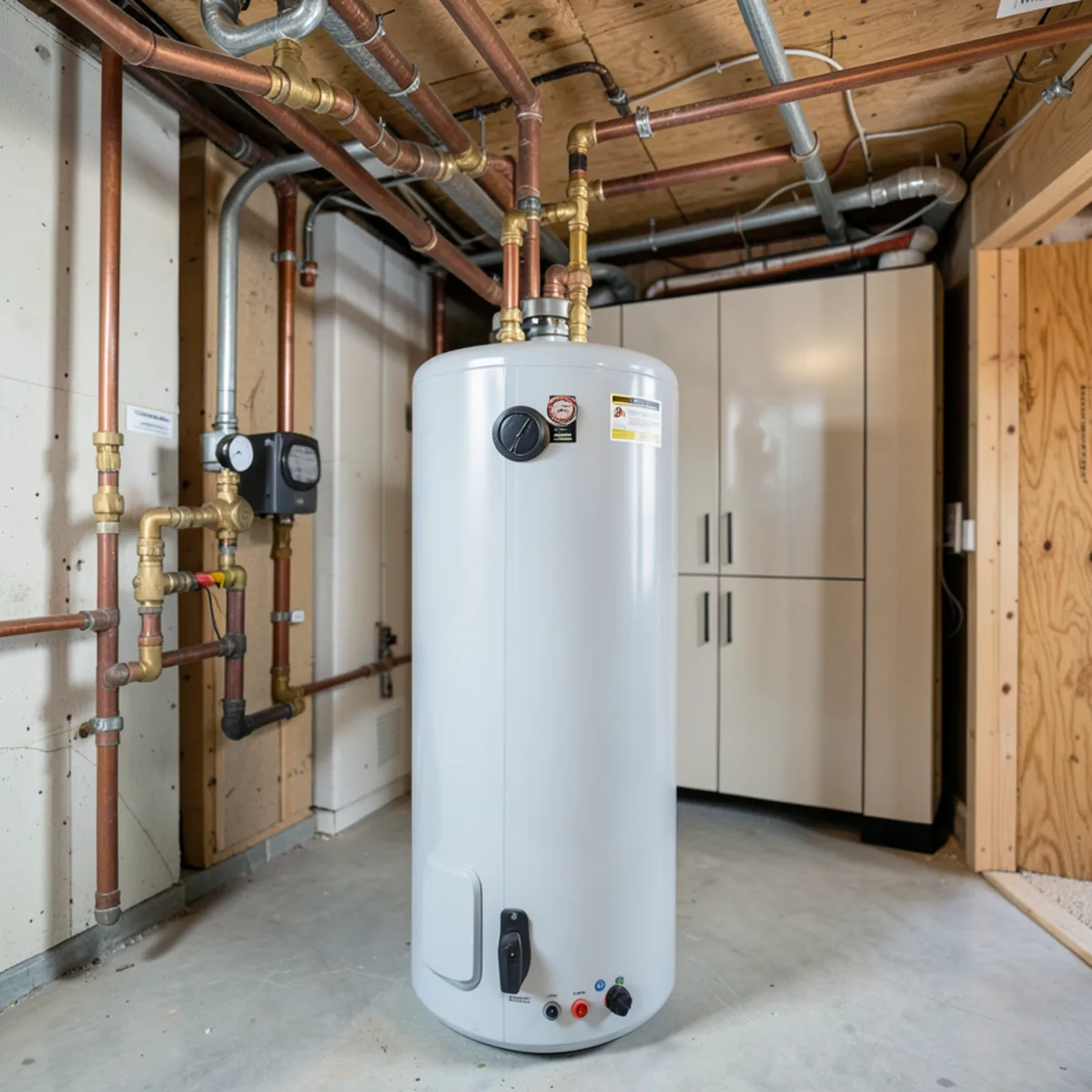
Covering over forty-four square miles, Lakewood is characterized by a distinctive mix of housing eras. Established enclaves along West Colfax Avenue, Morse Park, and central Wadsworth Boulevard feature mid-century single-story ranches with shallow crawlspaces, narrow utility rooms, or perimeter carports. In contrast, residential subdivisions constructed throughout the 1970s, 1980s, and 1990s around Green Mountain, Bear Creek Lake Park, and Solterra feature sprawling floor plans with extensive finished basement living areas. When aging water heaters rupture in these finished lower levels, rapid leaking can ruin drywall, carpeting, and electrical systems within hours. To protect these valuable finished spaces, our plumbers fit commercial-grade aluminum drain catch basins with gravity drain pipe routing and install smart moisture-activated shutoff valves. Furthermore, homes situated along Green Mountain steep windward slopes frequently face high-velocity foothill wind gusts that disrupt natural chimney draft. For these properties, we install power-vent units with dedicated electric blowers or direct-vent systems utilizing sealed combustion chambers.
Greenwood Village, CO
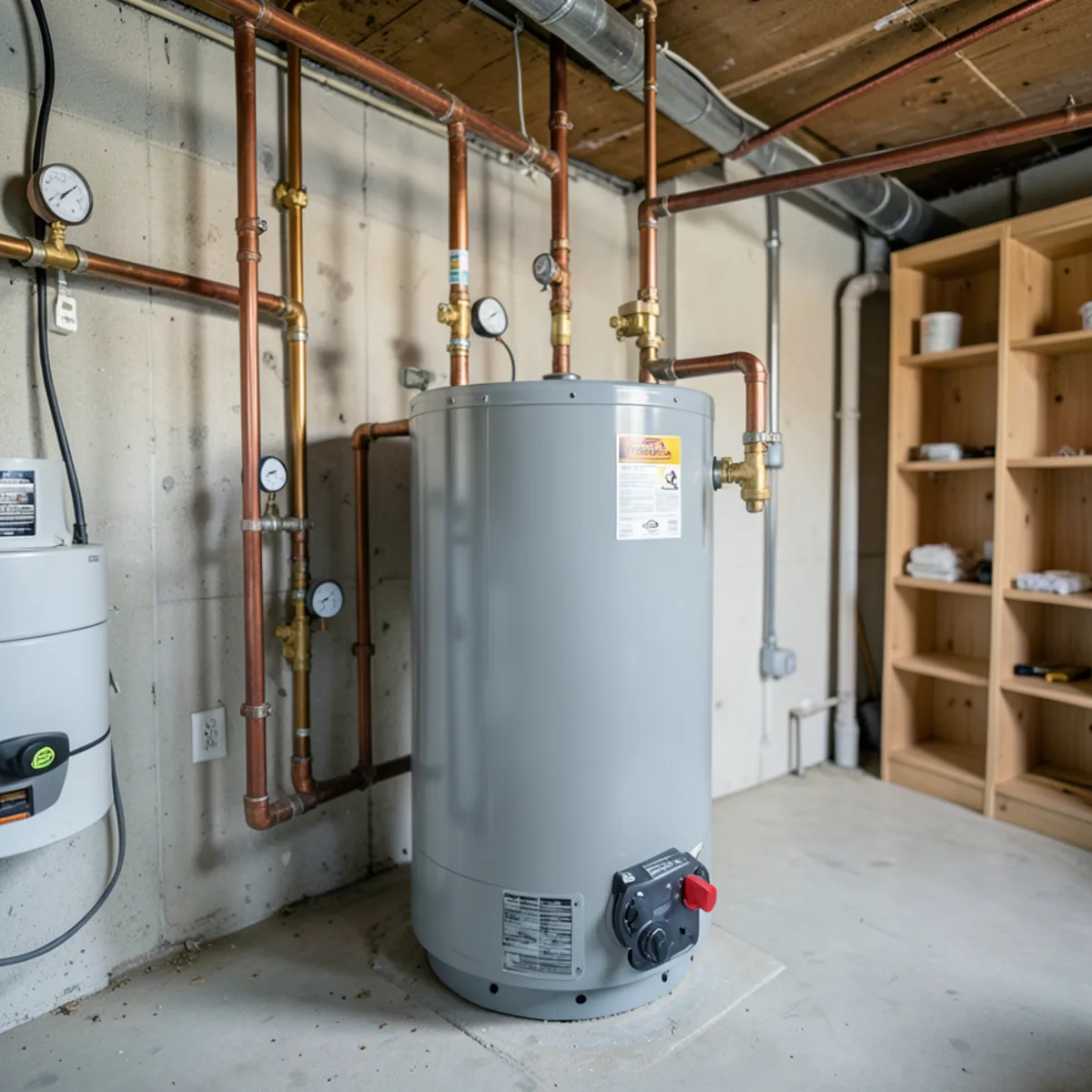
Greenwood Village is characterized by an exceptional standard of executive residential construction, ranging from multi-acre horse properties and contemporary custom estates in The Preserve to expansive architectural residences bordering Cherry Creek State Park and the Denver Tech Center. Floor plans frequently encompass 4,500 to over 8,500 square feet, incorporating multi-head walk-in spa showers, freestanding cast-iron soaking tubs, detached guest casitas, and dedicated entertainment wings. Supplying continuous hot water to these demanding layouts exceeds the capability of standard residential storage tanks. Original builds often featured paired 50-gallon gas heaters that deplete quickly when multiple fixtures run concurrently. Our senior technicians specialize in retrofitting these homes with cascading multi-unit condensing tankless systems or commercial-grade 75-to-100 gallon Bradford White power-vented units. Because these substantial floor plans involve plumbing supply runs extending beyond one hundred feet from central mechanical rooms, we install smart, demand-controlled bronze recirculation loops to ensure instantaneous temperature delivery at every faucet.
Cherry Hills Village, CO
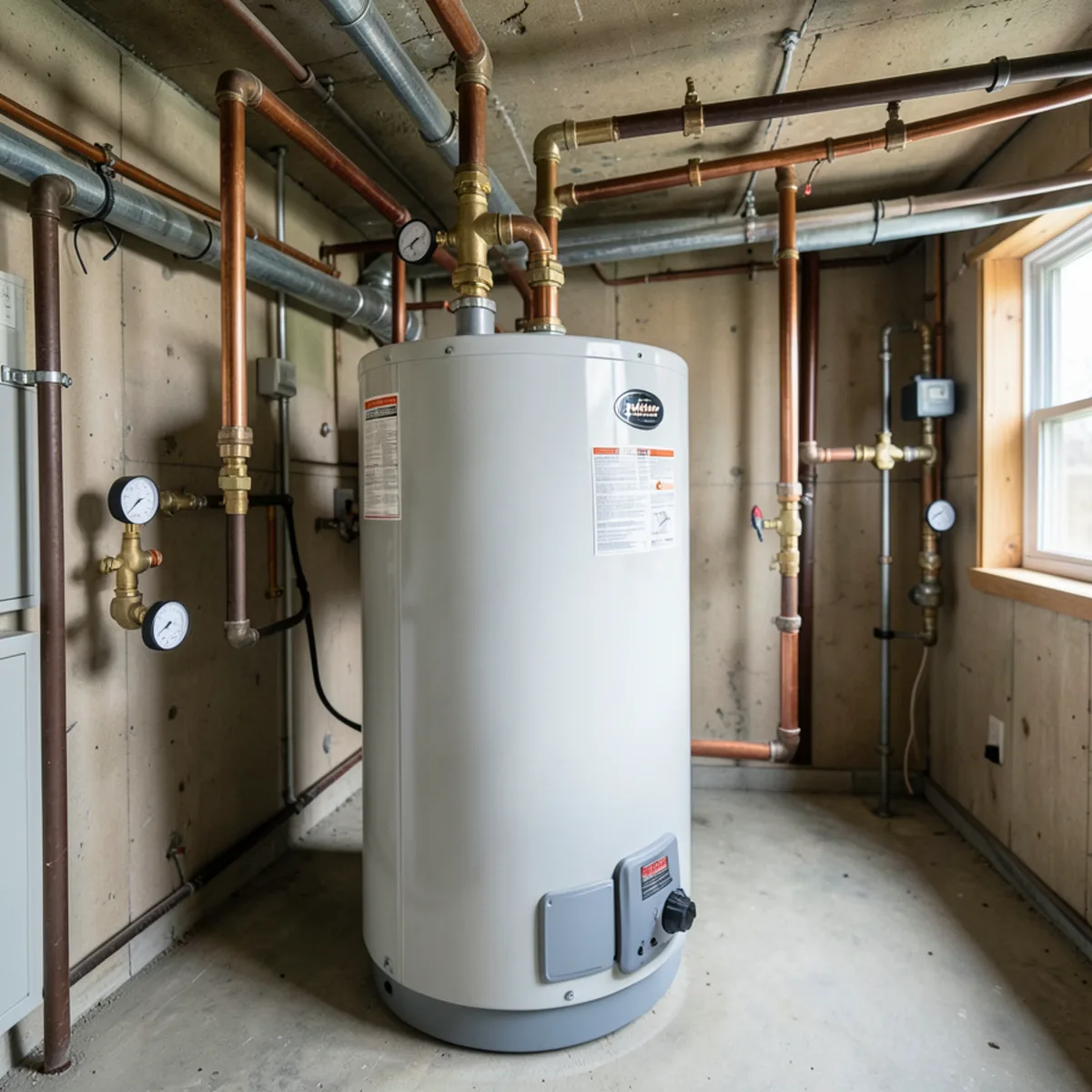
Renowned for its expansive two-acre zoning and pastoral countryside ambiance, Cherry Hills Village showcases Colorado most prestigious private residential architecture. Properties encompass sprawling mid-century estates, classical brick châteaux, and modern architectural masterpieces ranging from 6,000 to well over 12,000 square feet. Supplying dependable hot water across these grand residences represents a distinct engineering challenge: layouts often incorporate six to ten full bathrooms, multi-head rainfall shower rooms drawing over twenty gallons per minute, freestanding 100-gallon soaking tubs, guest pavilions, and attached equestrian facilities. Conventional residential water heaters cannot satisfy these simultaneous hydraulic demands. Our master plumbers install commercial-grade ASME-rated storage systems or multi-unit modulating condensing tankless arrays. To ensure instantaneous water delivery across piping networks extending 150 feet or more from primary mechanical vaults, we design balanced, thermostatic bronze recirculation loops paired with ASSE 1017 certified master mixing valves that prevent scalding while maintaining high-temperature reservoir storage.
Lone Tree, CO
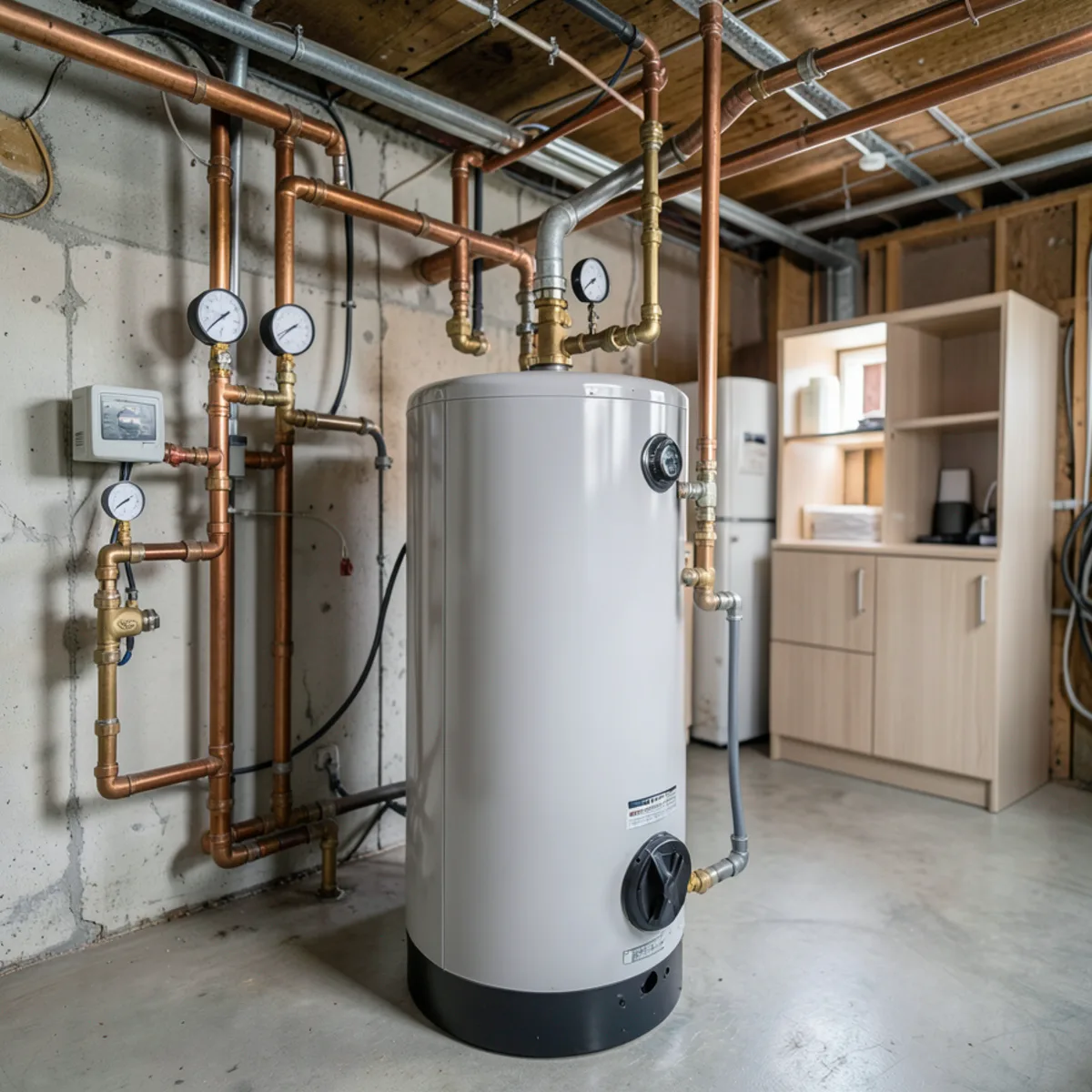
Positioned at the bustling intersection of C-470 and Interstate 25, the City of Lone Tree represents one of the premier master-planned environments in Douglas County. Residential neighborhoods range from gated custom golf estates in Heritage Hills and sprawling executive residences in Carriage Club to high-performance sustainable single-family homes and luxury townhomes across RidgeGate. Built predominantly between the late 1990s and the present decade, these residences frequently span 3,500 to over 5,500 square feet, featuring fully developed finished basements with extensive entertainment rooms, wet bars, and guest suites. Water heaters installed in these basements pose a substantial flood liability if a catastrophic tank rupture occurs. To safeguard finished flooring and drywall, our technicians install commercial-grade aluminum drain catch basins routed directly to sump pits or floor drains, combined with automatic sensor-driven water shutoff valves. Furthermore, because builder-installed 50-gallon atmospheric tanks frequently fail to satisfy peak household demands, we specialize in transitioning homes to high-recovery 75-gallon power-vented units or endless-flow condensing tankless systems.
Denver, CO
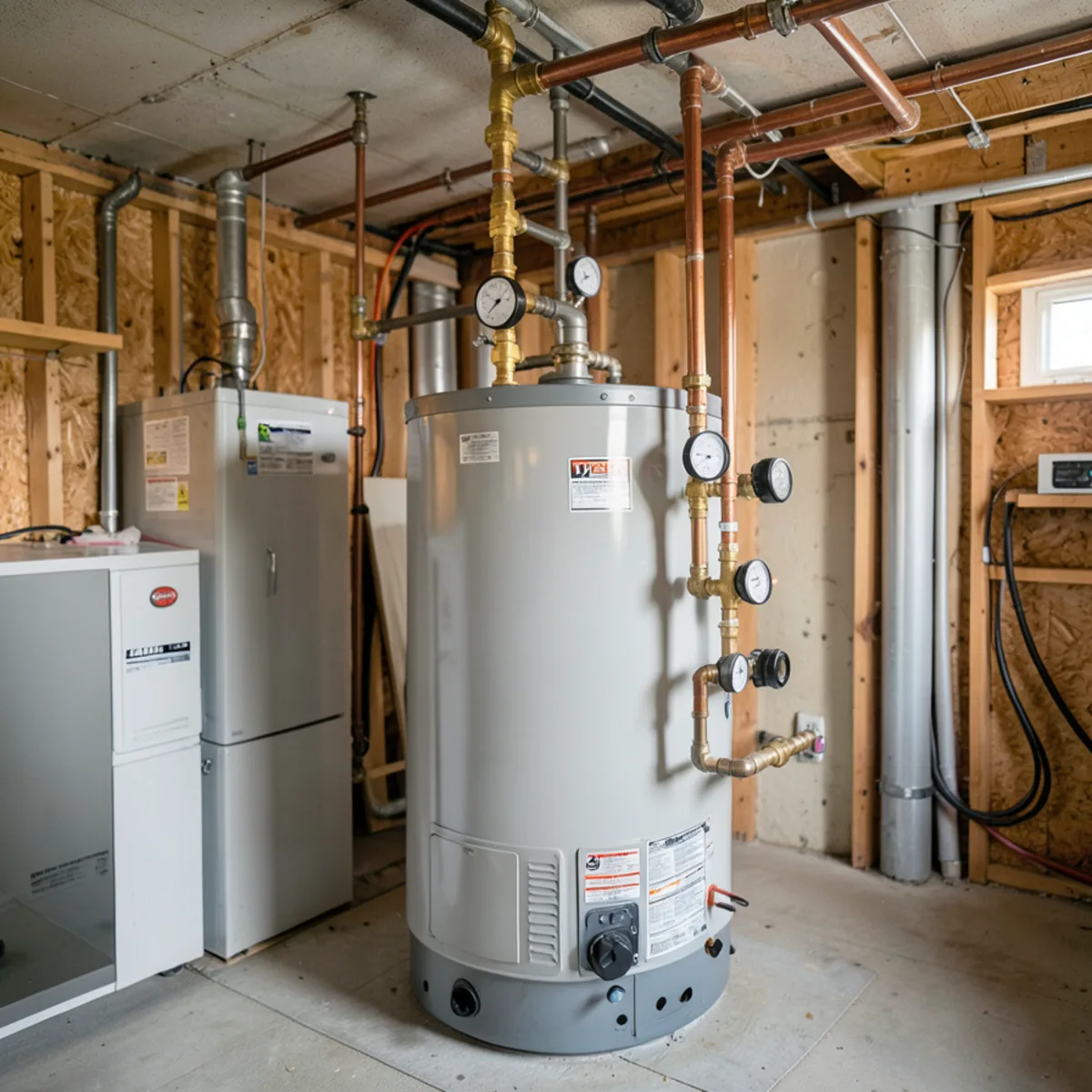
South and Southwest Denver encompasses an architectural cross-section distinct from newer suburban perimeters. Neighborhoods like Platt Park and Overland are filled with 1920s and 1930s brick bungalows and craftsman homes characterized by steep, narrow basement staircases measuring barely twenty-eight inches wide, low overhead joists, and unlined brick chimneys. Maneuvering modern water heaters into these tight subterranean spaces requires skilled handling and dimensional planning, as contemporary energy-efficiency insulation adds substantial girth to tank bodies. Conversely, neighborhoods such as Harvey Park feature mid-1950s Cliff May post-and-beam ranches built on concrete slabs, where water heaters reside in compact central closets or exterior storage carports. When chimney flues in these properties deteriorate or fail smoke draft tests, our technicians route direct-vent Category IV pipes horizontally through perimeter rim joists, eliminating the need for expensive chimney relining while meeting modern Colorado fuel gas codes.
Glendale, CO
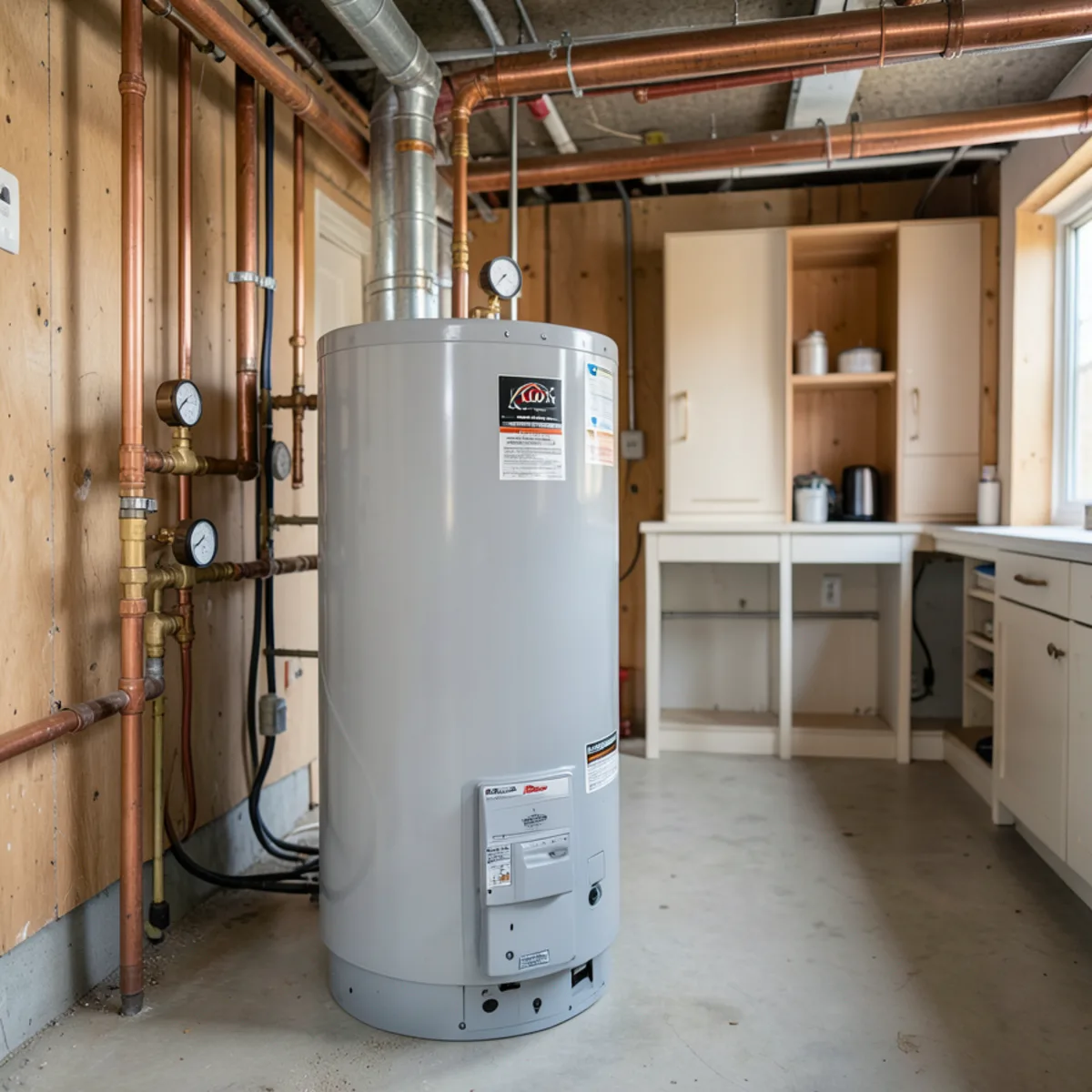
Completely enclosed as an incorporated municipal enclave within east-central Denver, the City of Glendale possesses a unique urban density along the Cherry Creek greenway. Unlike suburban low-density communities, Glendale residential fabric consists overwhelmingly of multi-story condominium complexes, townhome clusters, and substantial multi-family apartment communities built from the 1970s through the present day. Residential water heaters in these buildings are commonly sequestered inside compact utility alcoves off balconies, interior laundry closets, or centralized mechanical rooms serving multiple tenant stacks. When a water heater ruptures in an upper-floor condominium, water cascades through subflooring into neighboring units below, causing catastrophic structural and personal property losses. To prevent multi-unit flooding catastrophes, our technicians fit heavy-gauge aluminum drain basins with dedicated gravity discharge lines, coupled with automatic electronic flood-stop valves that shut off cold water feeds the instant moisture is detected. Furthermore, where utility closets lack vertical chimney flues, we install ultra-compact side-venting power-vent units or high-recovery electric water heaters.
Roxborough Park, CO
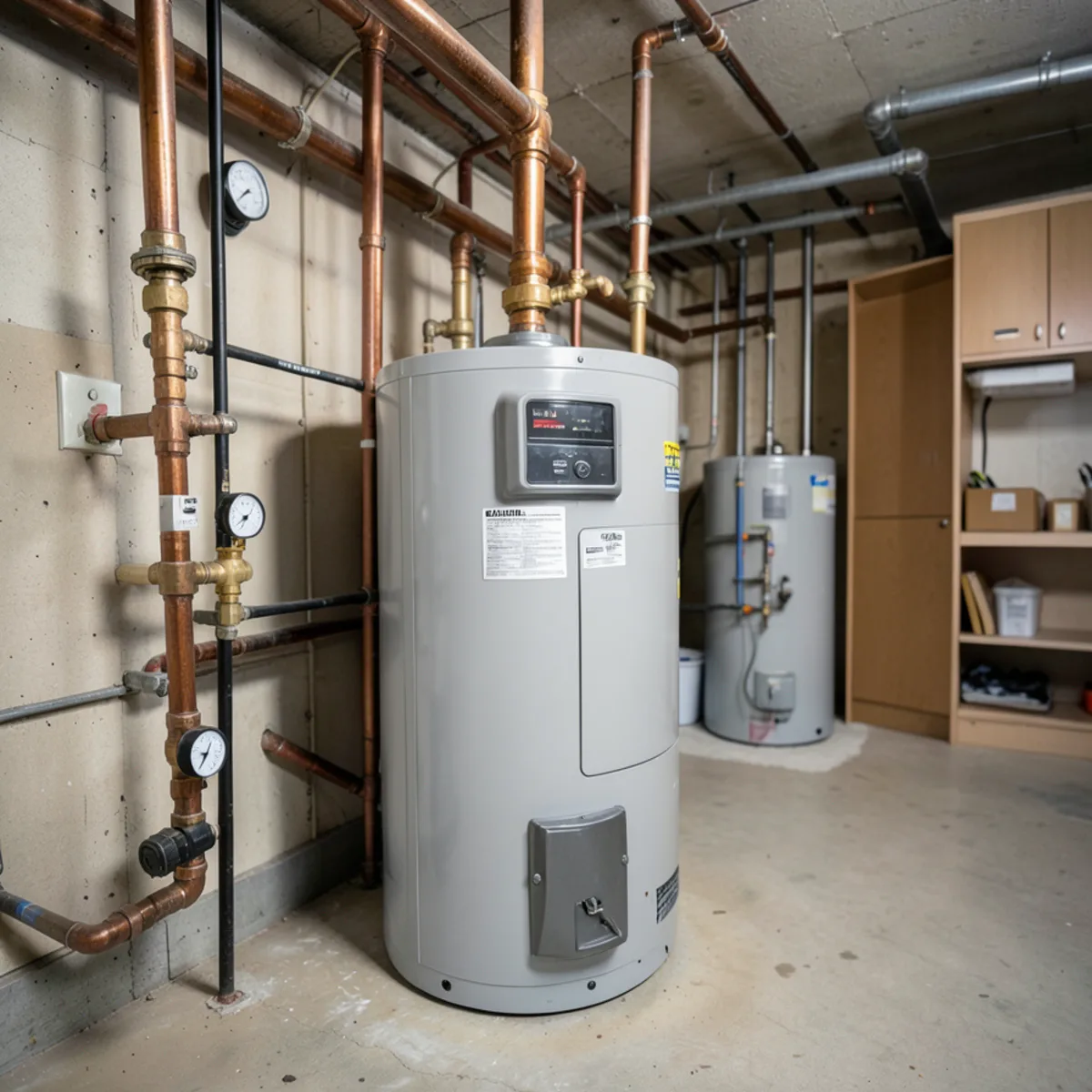
Built amidst the dramatic red sandstone outcroppings of Roxborough State Park, this master-planned community features custom hillside ranches, tri-level timber frames, and executive walkout properties constructed from 1985 through the 2010s. Homes here are anchored directly into granite and sandstone bedrock on sloped lots, placing mechanical rooms on concrete walkout slabs. Because the community sits at the mouth of Waterton Canyon along the Dakota Hogback, severe down-canyon wind events occur frequently throughout winter. These powerful gusts create extreme pressure differentials across residential rooflines, causing standard vertical chimney flues to backdraft or extinguishing standing pilot flames. To ensure dependable hot water during harsh Front Range storms, our plumbing team installs electronic-ignition power-vented units with motorized exhaust blowers or direct-vent condensing units that pipe intake and exhaust horizontally through side rim joists.
Foxfield, CO
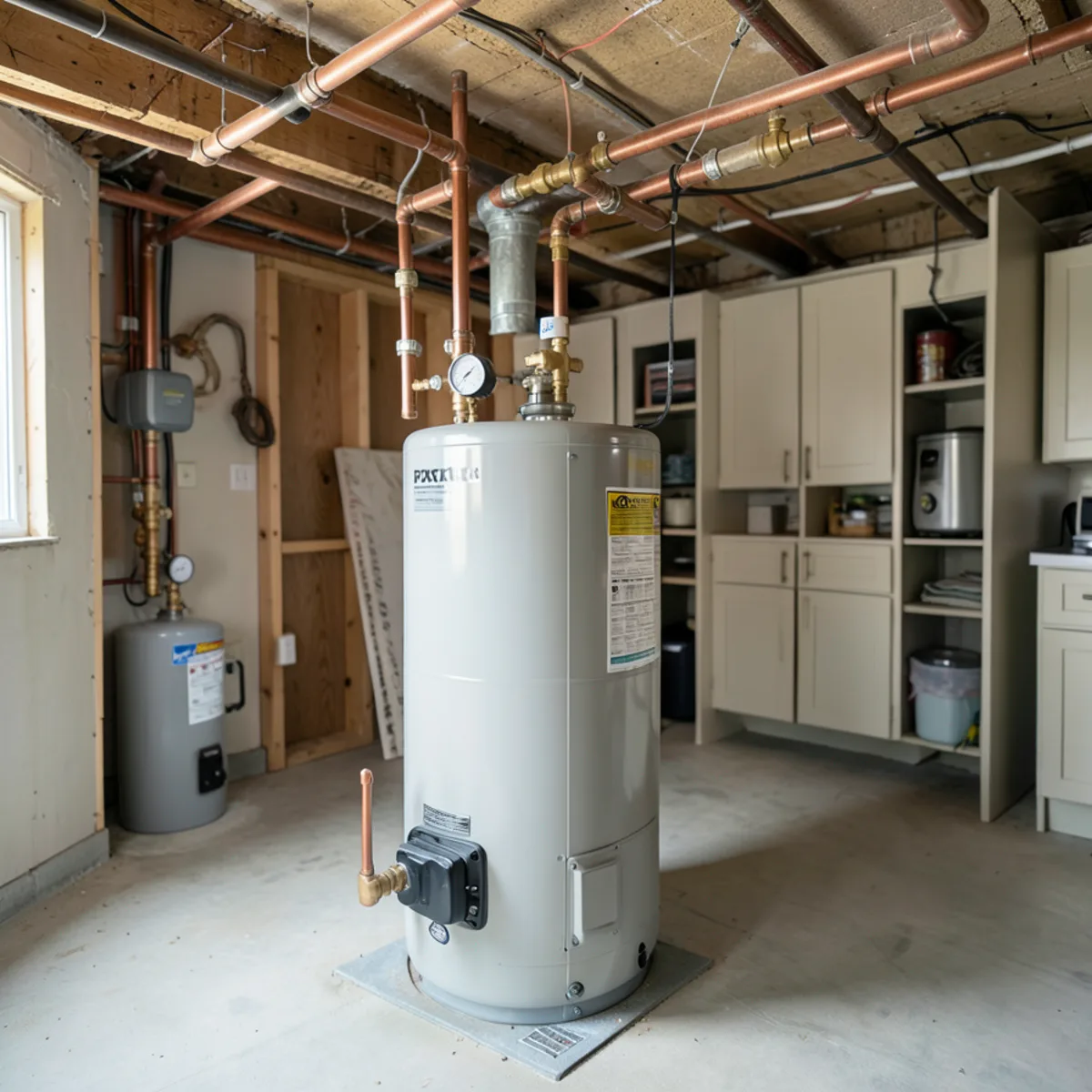
Established as an independent municipality in 1994 to preserve open green space and horse properties, Foxfield enforces strict 2.5-acre minimum residential parcel sizes. Homes throughout the community include sprawling single-level custom ranches, modern farmhouses, and multi-story acreage estates built between 1980 and the present day. Because residential structures sit far back from country lanes, floor plans are broad and spacious, frequently exceeding 4,500 to 6,500 square feet with detached barns or hobby workshops. Many parcels across Foxfield lack access to municipal utility gas lines, relying instead on bulk liquefied petroleum gas (LP) stored in outdoor propane tanks. Operating water heaters on propane requires certified LP gas valves and calibrated fuel orifices delivering 10.5 inches of water column pressure. Our technicians carry specialized conversion kits to ensure clean burner ignition, eliminating soot buildup and dangerous flame rollout.
Castle Rock, CO
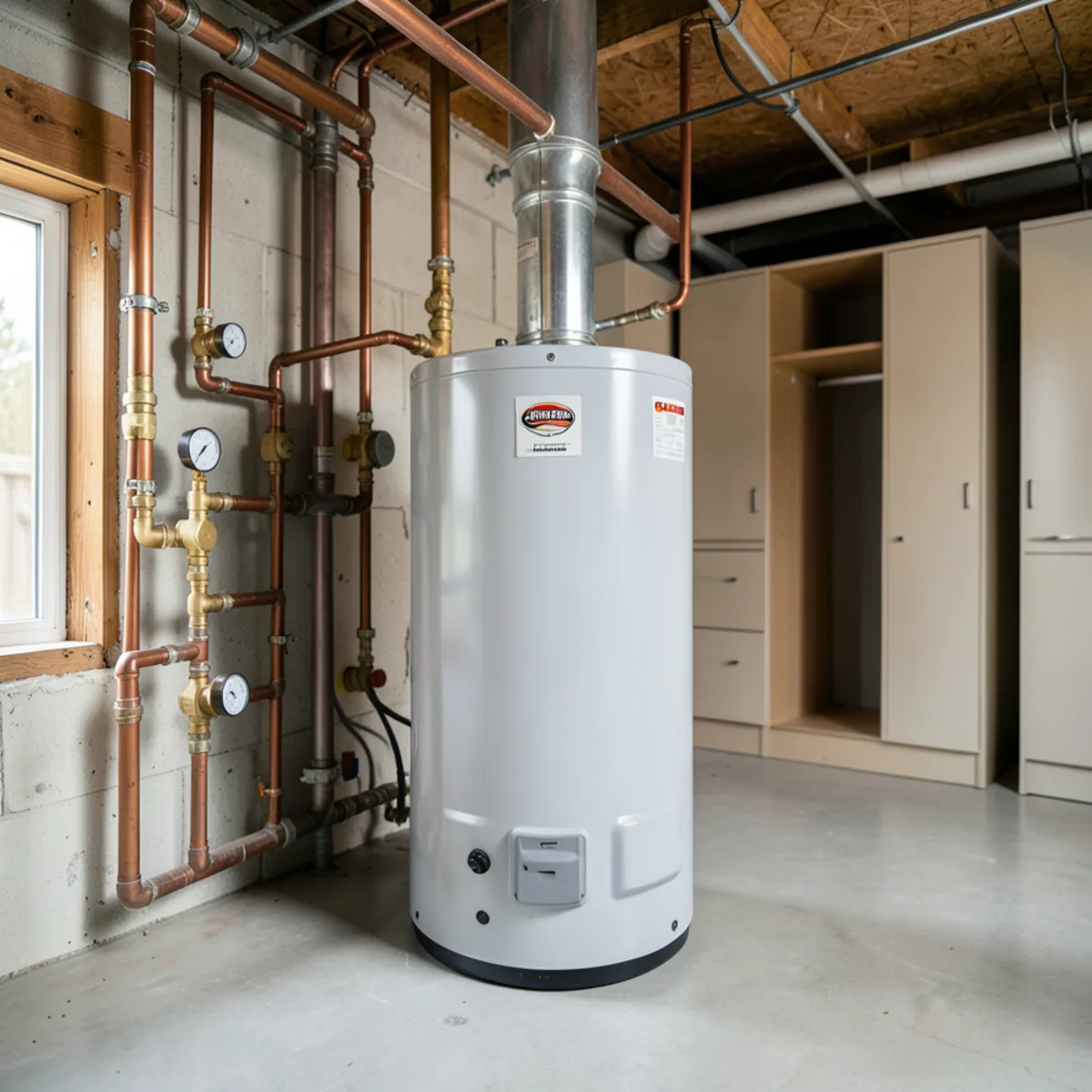
Situated beneath the prominent volcanic rhyolite cap that gives the town its name, Castle Rock is among Colorado fastest-growing family communities. Neighborhoods established during the 1990s and 2000s—such as The Meadows, Plum Creek, and Founders Village—feature spacious multi-story houses ranging from 2,900 to 5,200 square feet. Almost all of these properties feature fully finished basements where mechanical closets sit adjacent to family recreation rooms and guest bedrooms. Standard builder-installed 50-gallon tanks struggle to satisfy the heavy simultaneous draw of multiple morning showers, soaking tubs, and laundry loads. Furthermore, as these original tanks surpass twelve years of service, corrosion weakens inner steel seams, creating severe flood risks for finished basement floors. Our technicians install high-output 75-gallon power-vented units or wall-mounted condensing systems, completing installations with heavy-duty aluminum catch pans and automatic water-isolation valves.
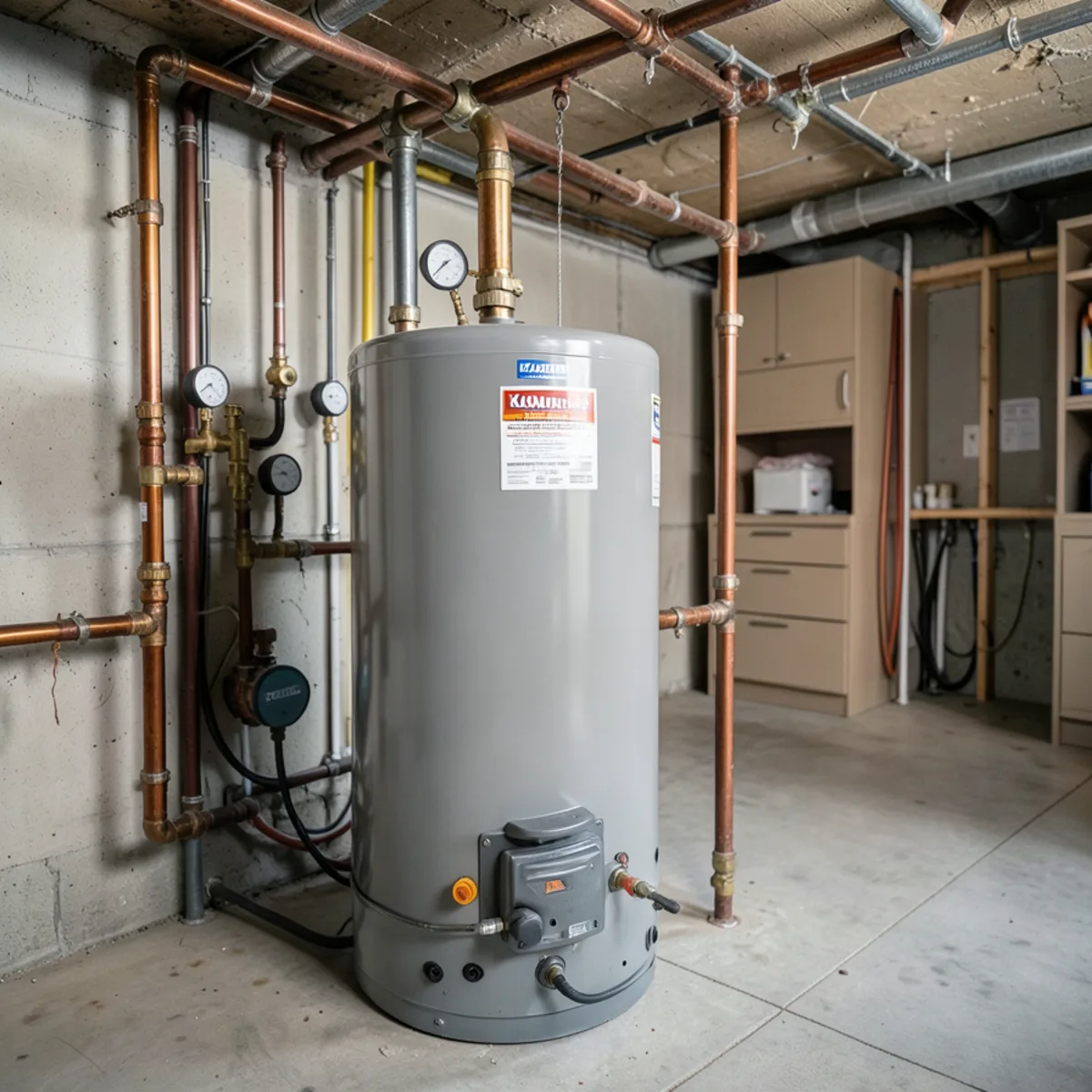
Parker, CO
Positioned on the rolling plains of eastern Douglas County along the Cherry Creek basin, Parker is home to tens of thousands of families living in planned communities like Stonegate, Bradbury Ranch, Stroh Ranch, and Canterberry Crossing. These homes, built primarily from the 1990s through recent years, offer generous multi-level living areas between 3,200 and 5,400 square feet. A hallmark of these properties is the expansive garden-level or fully excavated basement, where original 50-gallon utility heaters sit tucked beside furnaces and air filtration equipment. Because original developers fitted entry-level storage tanks, morning routines with multiple family members quickly drain available hot water. Furthermore, after a decade of heating mineral-laden municipal water, inner tank linings thin out and develop structural fatigue. To prevent basement flooding, our team upgrades homes to 75-gallon high-recovery storage models or wall-hung condensing tankless systems, adding emergency drain basins and electronic shutoff controllers.
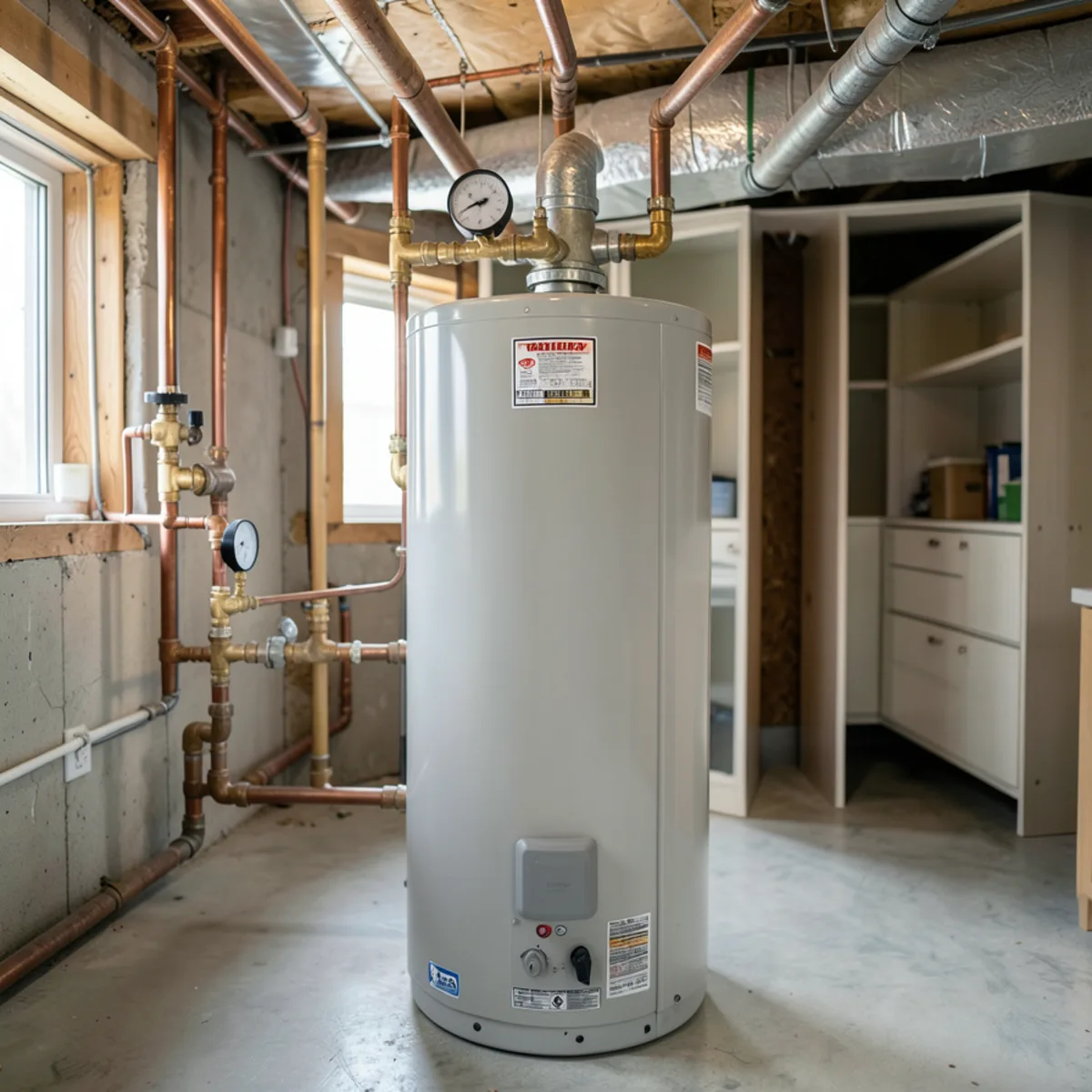
Wheat Ridge, CO
Evolving from historic market gardens and fruit orchards along the Clear Creek bottomland, Wheat Ridge features a distinctive housing fabric dominated by 1950s and 1960s custom brick ranches situated on generous half-acre to one-acre parcels. Many of these mid-century homes were built with partial basements or shallow crawlspaces featuring low ceiling joists under six and a half feet. Transporting modern water heaters—which incorporate thick outer foam insulation under federal energy mandates—down steep, narrow basement cellar stairs demands specialized equipment and careful dimensional planning. In many residences, original steel plumbing connects directly to copper water supplies without dielectric insulation, generating severe galvanic electrolysis that corrodes fittings until pinhole leaks develop. Our plumbers install dielectric brass unions, replace deteriorated black-iron fuel feeds with code-compliant sediment traps, and configure lowboy atmospheric units designed specifically for restricted headroom.
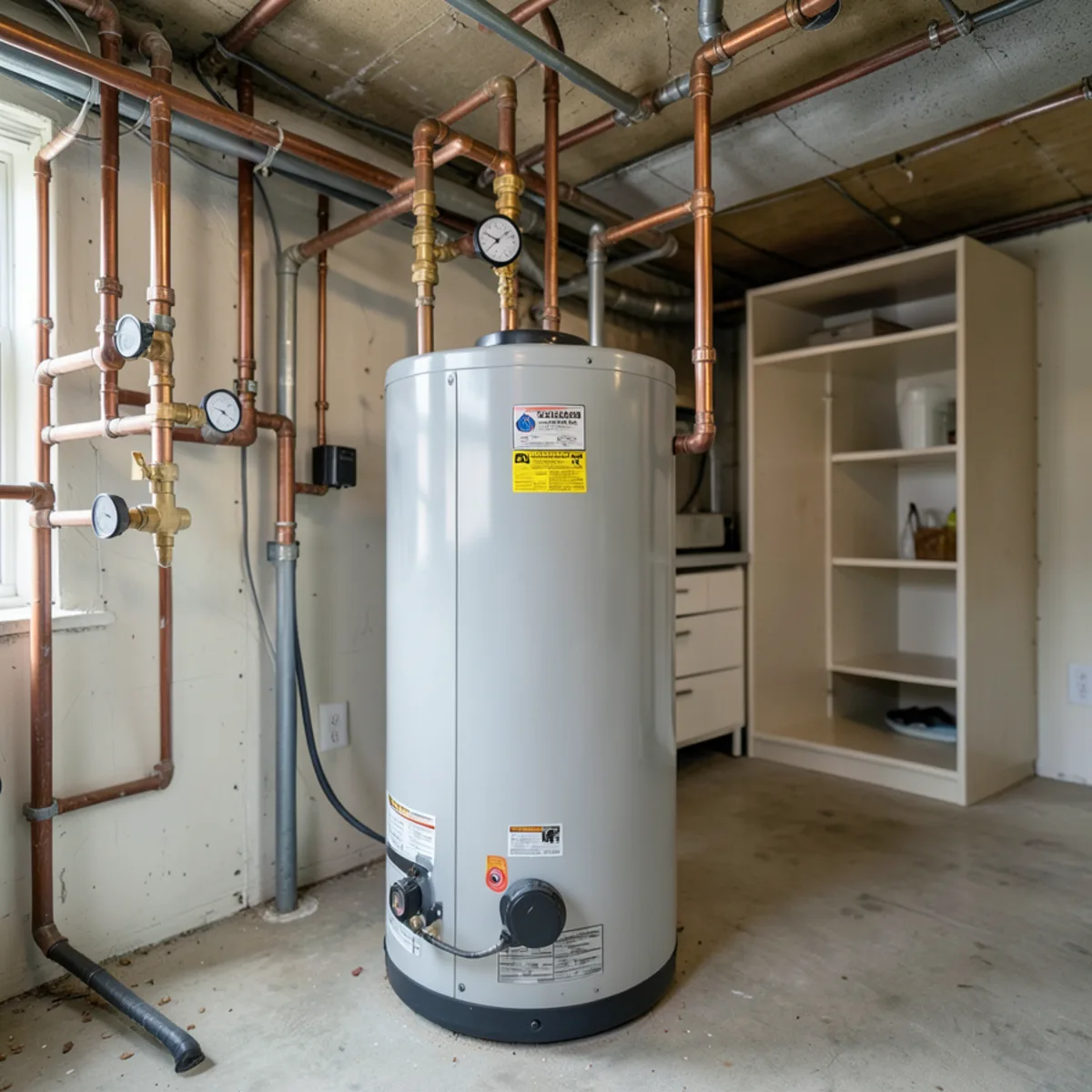
Golden, CO
Flanked by the dramatic basalt cliffs of North and South Table Mountain and framed by Lookout Mountain, Golden is among Colorado most historically rich communities. Housing typologies span a broad spectrum: 1890s brick miners cottages and Victorian craftsmans near Washington Avenue feature hand-laid fieldstone cellar walls, sub-six-foot ceiling beams, and aged masonry chimney flues that cannot support modern natural-draft appliances. Across the foothills toward South Table Mountain and the Lookout Mountain corridor, custom multi-level residences built between the 1970s and 2000s feature walkout foundations subject to severe localized wind shear. Violent canyon winds blasting down Clear Creek Canyon routinely create chimney downdrafts, blowing out standing pilot flames and spilling combustion exhaust. To provide dependable hot water under these conditions, our technicians install sealed-combustion power-vent water heaters with motorized draft fans or direct-vent condensing tankless systems that pipe exhaust horizontally through rim joists.
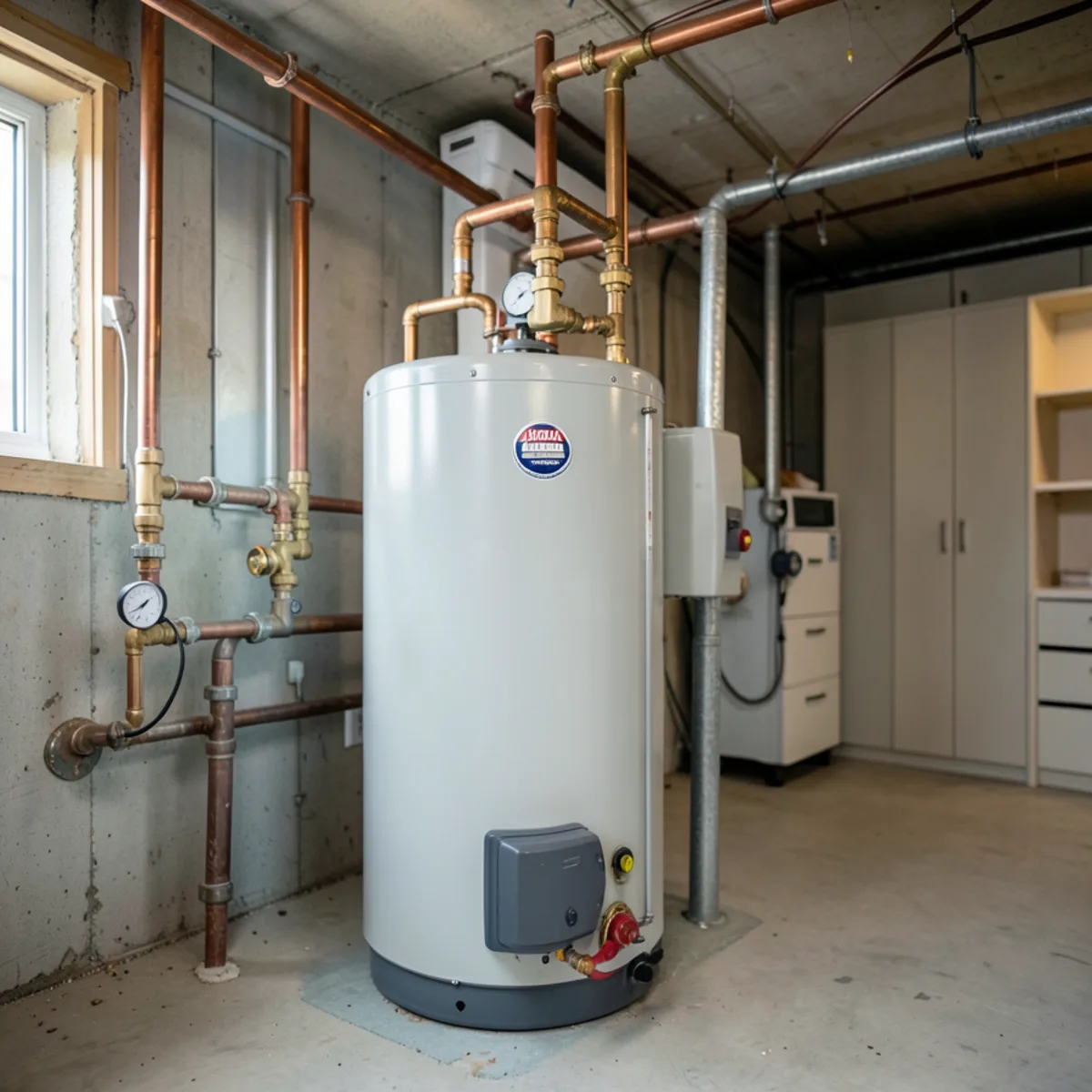
Arvada, CO
Encompassing nearly forty square miles across northwestern Jefferson County, Arvada spans diverse architectural epochs. Historic neighborhoods around Olde Town and Grandview Avenue feature 1910s to 1940s craftsman bungalows and brick cottages with narrow 28-inch cellar entries, unlined masonry flues, and ceiling heights barely clearing six feet. Maneuvering modern water heaters down these restricted historic stairs demands compact lowboy equipment and experienced handling. Meanwhile, central subdivisions developed during the 1960s and 1970s around Lake Arbor and Apex Center feature established brick ranches and bi-levels with finished basements. Further west in master-planned communities like Candelas, Whisper Creek, and Leyden Rock, expansive modern homes exceed 4,200 square feet, demanding substantial hot water volume to support multi-fixture master bathrooms. Our technicians upgrade properties to 75-gallon commercial-grade storage tanks or dual-modulating tankless systems, completing installations with aluminum catch basins and automated shutoff valves.
Morrison, CO
Positioned at the scenic junction of Bear Creek Canyon and Turkey Creek beneath the famous red sandstone towers of Red Rocks Amphitheatre, Morrison offers a rugged mountain residential landscape. Housing stock ranges from 1880s native stone cottages and frame cabins along Bear Creek to modern custom timber-frame walkouts clinging to the granite hillsides of Mount Falcon. A significant portion of outlying foothill properties operate beyond municipal utility reach, using bulk liquefied petroleum gas (LP) stored in outdoor propane tanks for water heating. Firing water heaters on propane requires certified fuel valves and specialized burner jets calibrated to 10.5 inches of water column pressure to avert heavy soot formation. Additionally, winter chinook windstorms funneling down Bear Creek Canyon generate intense aerodynamic backpressure across rooftops, frequently extinguishing standing pilot lights on traditional draft-hood tanks. Our plumbers resolve this vulnerability by installing motorized power-vented units or direct-vent condensing tankless systems that exhaust horizontally through rim joists, ensuring continuous operation during mountain storms.
Our Littleton Shop Base
1221 W Mineral Ave, Littleton, CO 80120 • Conveniently located near the Littleton–Mineral light rail station along the South Platte corridor.
Frequently Asked Questions About Our Service Areas
We serve the entire southwest Denver metro corridor, including Littleton, Centennial, Highlands Ranch, Englewood, Lakewood, Ken Caryl, Columbine, Sheridan, Bow Mar, Castle Rock, and Parker.