
•5 min read•Verified by Colorado Licensed Plumbers
Water Heater Repair vs. Replace: Decision Guide for Littleton, CO
When your water heater stops producing hot water, begins rumbling, or develops a leak, you face a major financial decision: invest in a repair or replace the entire system? Along the Colorado Front Range, mineral hardness, altitude, and thermal stress accelerate appliance aging. Here is our licensed Littleton plumber decision framework to help you choose wisely.
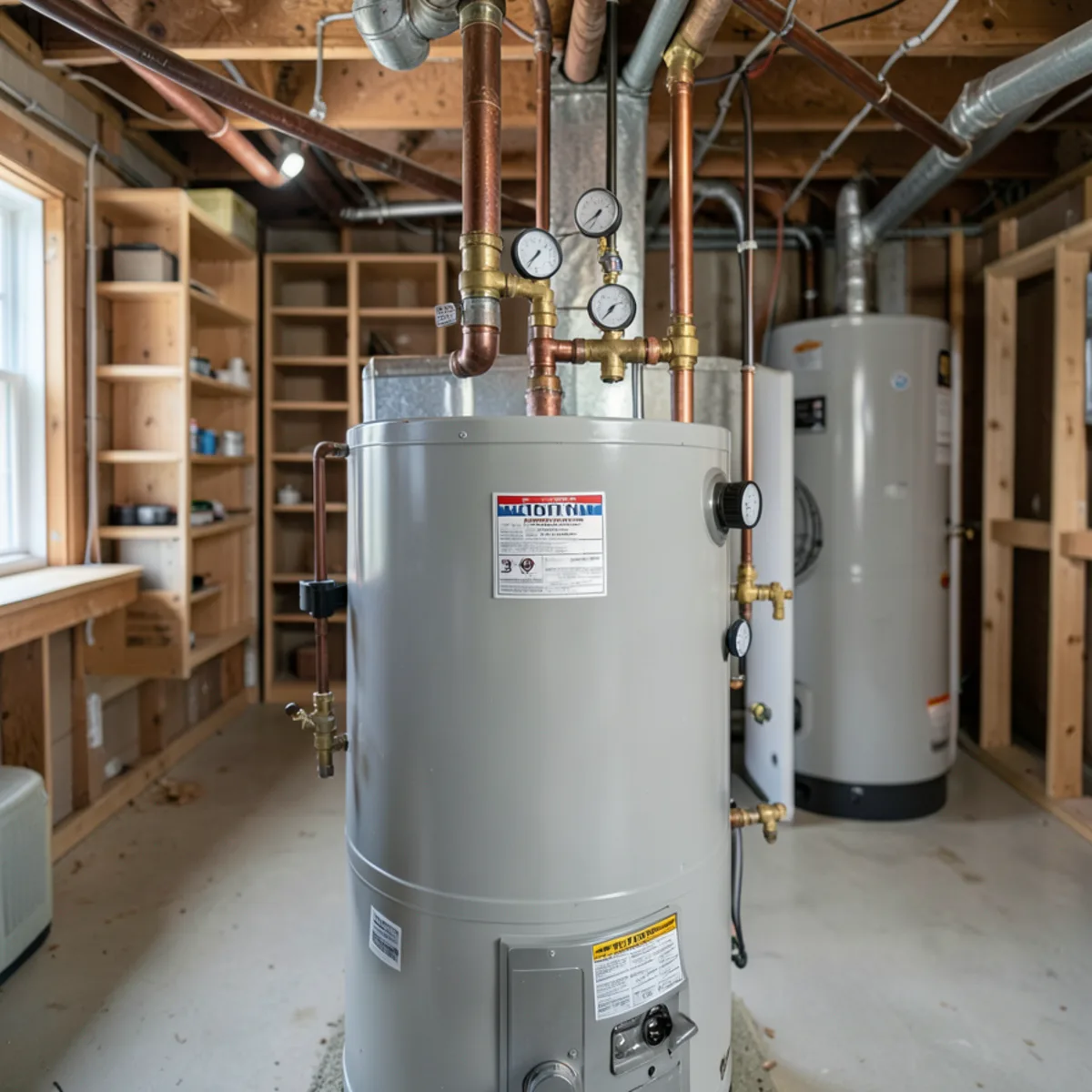
Experiencing an active water heater emergency in Littleton? Shut off your cold water supply and call our dispatch desk.
(201) 277-9344The 50% Rule and Equipment Age Multiplication
When confronting an unexpected water heater breakdown, homeowners need an objective, math-based framework rather than emotional guesswork. Professional plumbing contractors rely on the industry-standard 50% rule:
1. Cost Percentage Threshold: If the estimated cost of the repair exceeds 50 percent of the total cost of installing a brand-new water heater, replacement is virtually always the smarter financial choice.
2. The Age Multiplication Test: Multiply the total cost of the proposed repair by the age of your water heater in years. If the resulting figure exceeds the total cost of a replacement unit, investing in the repair is mathematically unwise.
For example, consider an 9-year-old gas water heater requiring a $450 electronic gas control valve replacement. Multiplying $450 by 9 years yields $4,050. Because this exceeds the $2,200 to $2,800 cost of a complete code-compliant replacement, proceeding with the repair represents a high risk of sunken capital on a tank that may develop an unrepairable tank weld breach months later.
The True Lifespan of Water Heaters in the Denver Metro Area
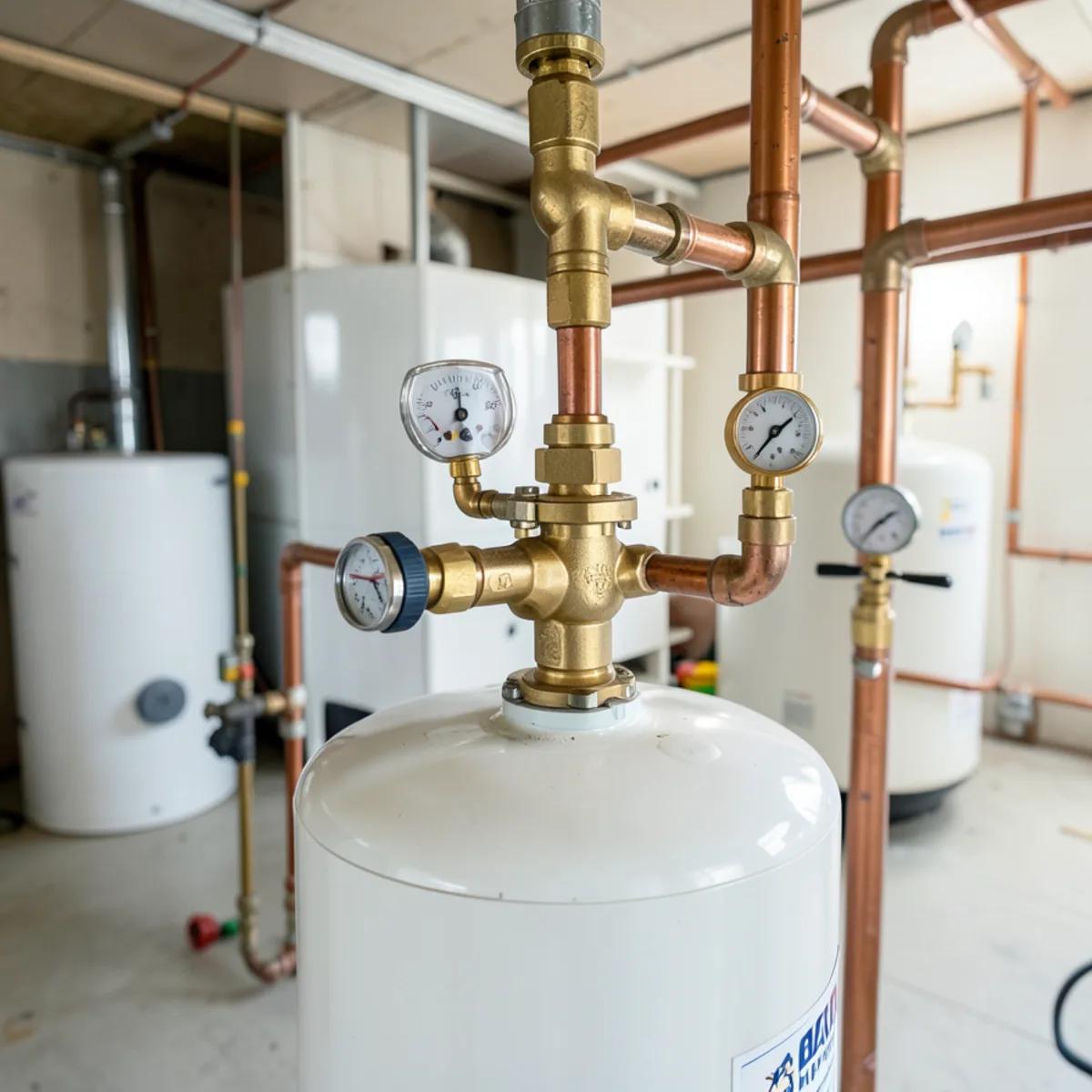
National home improvement publications frequently cite average water heater lifespans between 10 and 15 years. However, along the Colorado Front Range and throughout the southwest Denver metro area, localized operating conditions shorten equipment life expectancy:
1. Denver Water Mineral Hardness: Municipal tap water in Littleton carries 7 to 9 grains per gallon (GPG) of dissolved calcium and magnesium. Over six to eight years, hundreds of pounds of rock-hard mineral scale bake onto the bottom of the tank, creating an insulating thermal barrier that overheats bottom steel welds.
2. Frigid Winter Inlet Temperatures: In Littleton, incoming winter municipal water drops to 38°F. Heating this water to 125°F demands an intense 82°F temperature rise, forcing burners and electrical elements to fire for prolonged continuous cycles.
3. Closed-Loop Hydrostatic Pressure: Backflow preventers and pressure-reducing valves trap thermal expansion inside home plumbing, subjecting older tank seams to cyclic hydraulic shock.
Because of these combined factors, standard storage water heaters in Littleton typically reach their practical end of life between 8 and 11 years. Once an atmospheric or electric tank passes its tenth birthday in Colorado, minor part repairs should be evaluated with extreme caution.
Need a Licensed Water Heater Specialist in Littleton?
Fast diagnostic triage, upfront quotes, and zero pressure. Call our local shop directly.
When Repairing Your Water Heater Makes Total Sense
Replacement is not always necessary. If your water heater is relatively young (under seven years of age) and the steel tank itself shows zero evidence of external or internal leakage, repairing individual mechanical or electrical components is highly cost-effective:
1. Extinguished Pilot Light or Thermocouple Failure: If a gas pilot light will not stay lit, replacing the thermocouple, thermopile, or pilot burner assembly is an affordable repair (typically $175 to $300) that completely restores functionality.
2. Failed Electric Heating Elements: On electric water heaters, burned-out upper or lower 4,500-watt heating elements or failed thermostats can be swapped quickly. Installing high-watt-density Incoloy replacement elements provides renewed heating capacity.
3. Weeping Temperature & Pressure (T&P) Relief Valve: Replacing a scaled or dripping safety relief valve and adding an expansion tank protects the integrity of an otherwise healthy tank.
4. Plastic Drain Valve Replacement: Swapping out a stripped or leaking factory plastic drain spigot with a heavy-duty full-port brass ball valve is an inexpensive, routine repair.
5. External Dip Tube Replacement: If you have lukewarm water caused by a snapped plastic dip tube, installing a fresh PEX dip tube restores complete thermal stratification without replacing the tank.
Terminal Conditions: When Replacement is Strictly Mandatory
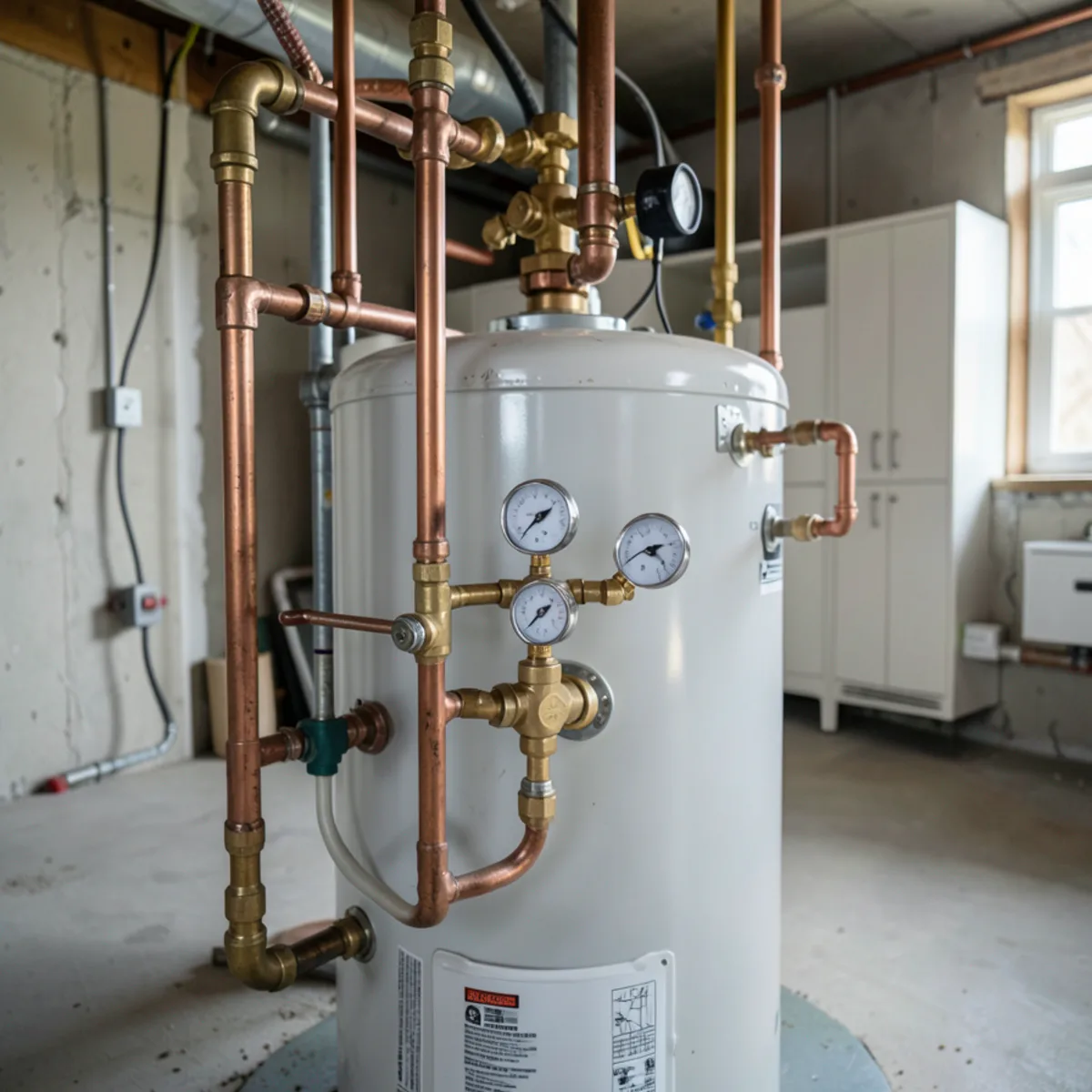
Certain structural failures leave no room for repair. When any of the following terminal conditions occur, complete replacement is the only safe, legal, and viable course of action:
1. Water Seeping from the Bottom Steel Jacket: Once internal corrosion eats through the carbon steel vessel wall, water escapes beneath the metal casing or drips into the combustion chamber. Pressurized hot water storage vessels (operating at 50 to 80 PSI) cannot be patched, epoxied, or welded. Attempting to repair a leaking pressurized tank violates Colorado plumbing codes and creates a catastrophic rupture hazard.
2. Severe Rust Corrosion on Tank Seams: Visible rust streaks tracking down the side of the tank or heavy corrosion encircling top pipe nipples indicates that galvanic decay has compromised the steel shell.
3. Loud Rumbling and Popping Noises on an Old Tank: While sediment rumbling can sometimes be mitigated by flushing on younger units, loud booming noises on a tank over nine years old indicate deep, hardened calcification. Heating localized hot spots beneath hardened scale causes steel fatigue and micro-fractures.
4. Unavailability of Obsolete Factory Parts: On discontinued models, replacement sealed combustion chambers or electronic control boards may be phased out, forcing an upgrade to current code-compliant equipment.
Energy Efficiency Economics and Colorado Rebate Incentives
When considering replacement, energy savings and government incentives significantly offset initial capital investment:
Older standard gas water heaters installed 10 to 15 years ago operate with an Energy Factor (EF) of approximately 0.55 to 0.58. Modern Bradford White atmospheric tanks achieve Uniform Energy Factors (UEF) of 0.64 to 0.68, while condensing tankless systems deliver up to 0.95 UEF.
The financial calculation becomes even more favorable when evaluating hybrid heat pump water heaters. Under Colorado clean energy initiatives (including HB23-1161 and Xcel Energy rebate programs), qualifying hybrid heat pump installations can qualify for up to $1,500 in electric utility rebates plus federal Inflation Reduction Act tax credits. Hybrid units use up to 70% less electricity than standard electric resistance tanks, delivering annual utility savings of $300 to $450 for typical Front Range families.
The Danger of Sunk Capital on Aging Mechanical Equipment
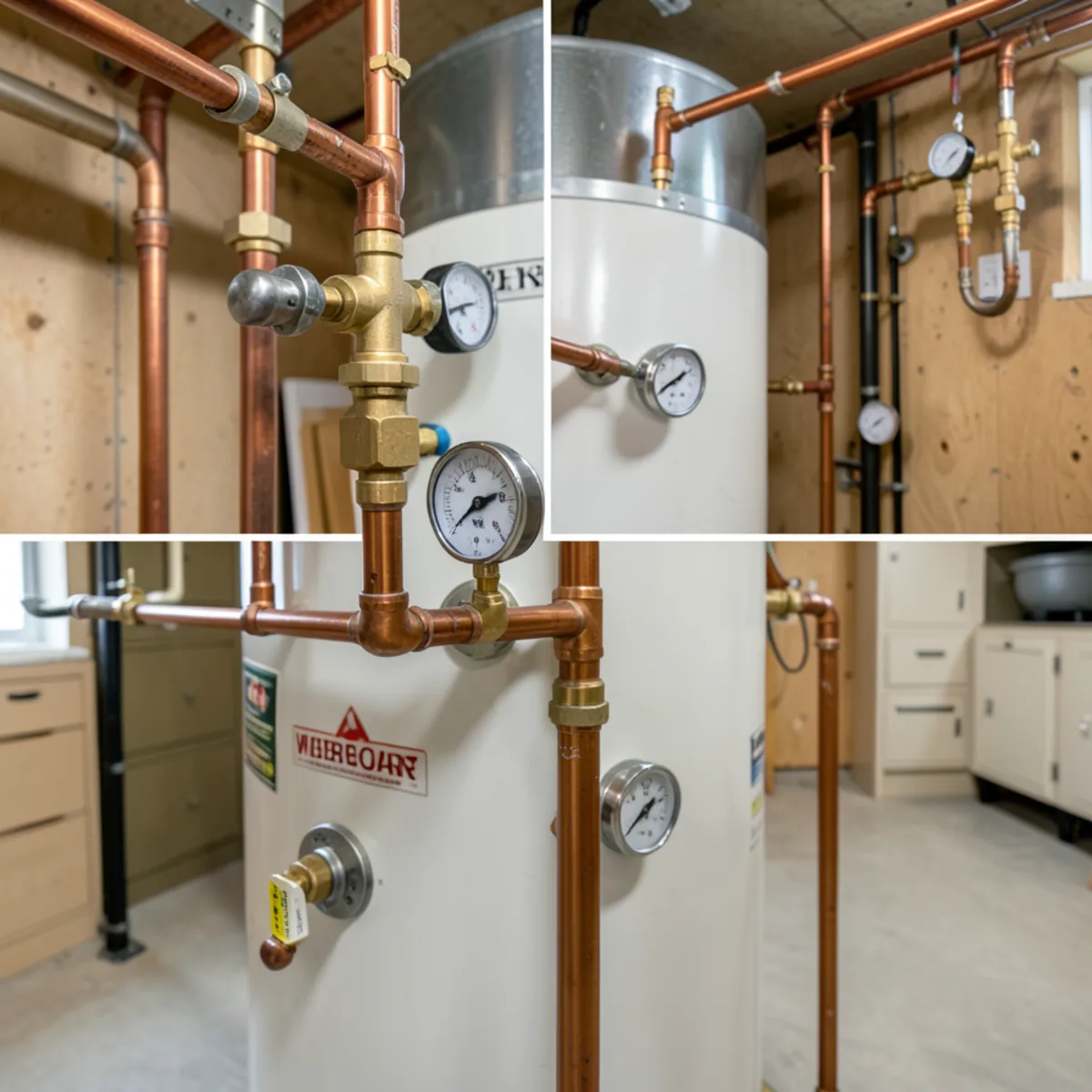
The most common mistake homeowners make is falling victim to the sunk cost fallacy. When a ten-year-old water heater experiences a component failure, spending $400 to replace an electronic control board or gas valve feels cheaper than a full replacement.
However, mechanical components do not operate in isolation. When one component fails on an aged water heater in Littleton, neighboring components (the anode rod, dip tube, burner assembly, and relief valve) are subject to the same decade of thermal wear and mineral encrustation.
In our experience servicing thousands of homes across Arapahoe County, spending significant repair dollars on a tank older than 10 years frequently results in the homeowner calling back within six months because the bottom weld seam has finally ruptured. Replacing proactively allows you to schedule the installation conveniently, avoid emergency rush dispatch fees, and prevent thousands of dollars in emergency basement water remediation.
What to Expect During a Professional Turnkey Replacement Day
If you determine that replacement is the right choice, working with a licensed specialist ensures the entire transition occurs smoothly in a single morning or afternoon.
A professional installation team begins by isolating the existing water, gas, or electrical supplies. Technicians connect high-temperature pump hoses to discharge standing water and calcified sediment to an exterior drain, safely maneuvering the old appliance up basement stairs without scratching drywall or hardwood flooring.
The new installation includes complete code compliance updates: mounting a code-compliant thermal expansion tank pre-charged to domestic water pressure, installing a 3/4-inch full-port brass shutoff valve, replacing rigid gas flex lines and sediment traps, and installing an emergency overflow drain pan. Finally, technicians test combustion draft using digital instruments, check for gas leaks with electronic sniffers, and file the required municipal building permit with the local building department.
Related Water Heater Services:
Water heater repair in Littleton, COWater heater replacement in Littleton, COWater heater inspection in Littleton, CO
Service Availability:
Frequently Asked Questions
In Littleton and the Denver metro area, water heaters older than 8 to 10 years are generally past their practical repair threshold. Due to 7–9 GPG mineral hardness and closed-loop pressure cycling, repairing an aging tank carries a high probability of total tank rupture shortly thereafter.