
Electric water heater installation in Littleton, CO
Installing an electric storage water heater provides quiet, zero-emission hot water for Littleton homes, multi-family townhomes, and condominiums where exterior gas venting or fuel lines are unavailable. Dispatched from 1221 W Mineral Ave in Littleton, our master electricians and certified plumbers install durable electric heating systems equipped with mineral-resistant Incoloy elements and code-compliant 240-volt electrical connections.
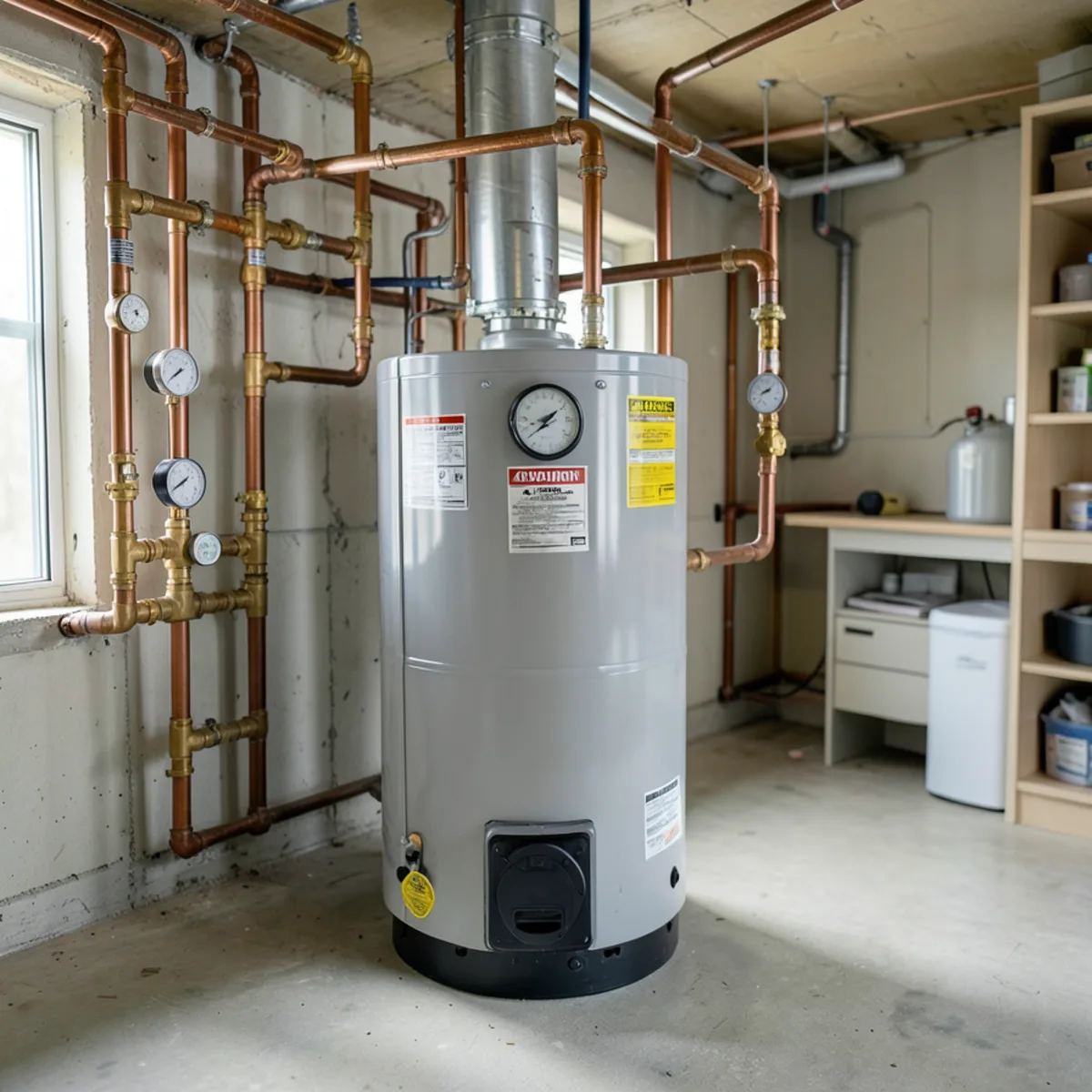
Turnkey Electric Water Heater Installation & Electrical Integration
Our residential electric water heater installation service provides complete, code-permitted system replacement and new mechanical rough-in throughout the Arapahoe County region. Electric resistance water heaters offer distinct advantages for homes in southwest Denver: because they generate heat through submerged electrical elements rather than gas combustion, they require no roof chimneys, no sidewall exhaust penetrations, and zero fossil fuel piping. We evaluate your household electrical service to ensure adequate 240V 30-amp dedicated branch circuit capacity, install heavy-gauge copper wiring inside flexible metallic conduit, mount rigid dielectric transitions to safeguard against galvanic corrosion, and connect a pre-calibrated expansion diaphragm. Each project features rigorous dry-fire prevention checks, complete clean-up, and turnkey electrical and plumbing permitting through local municipal inspection officers.
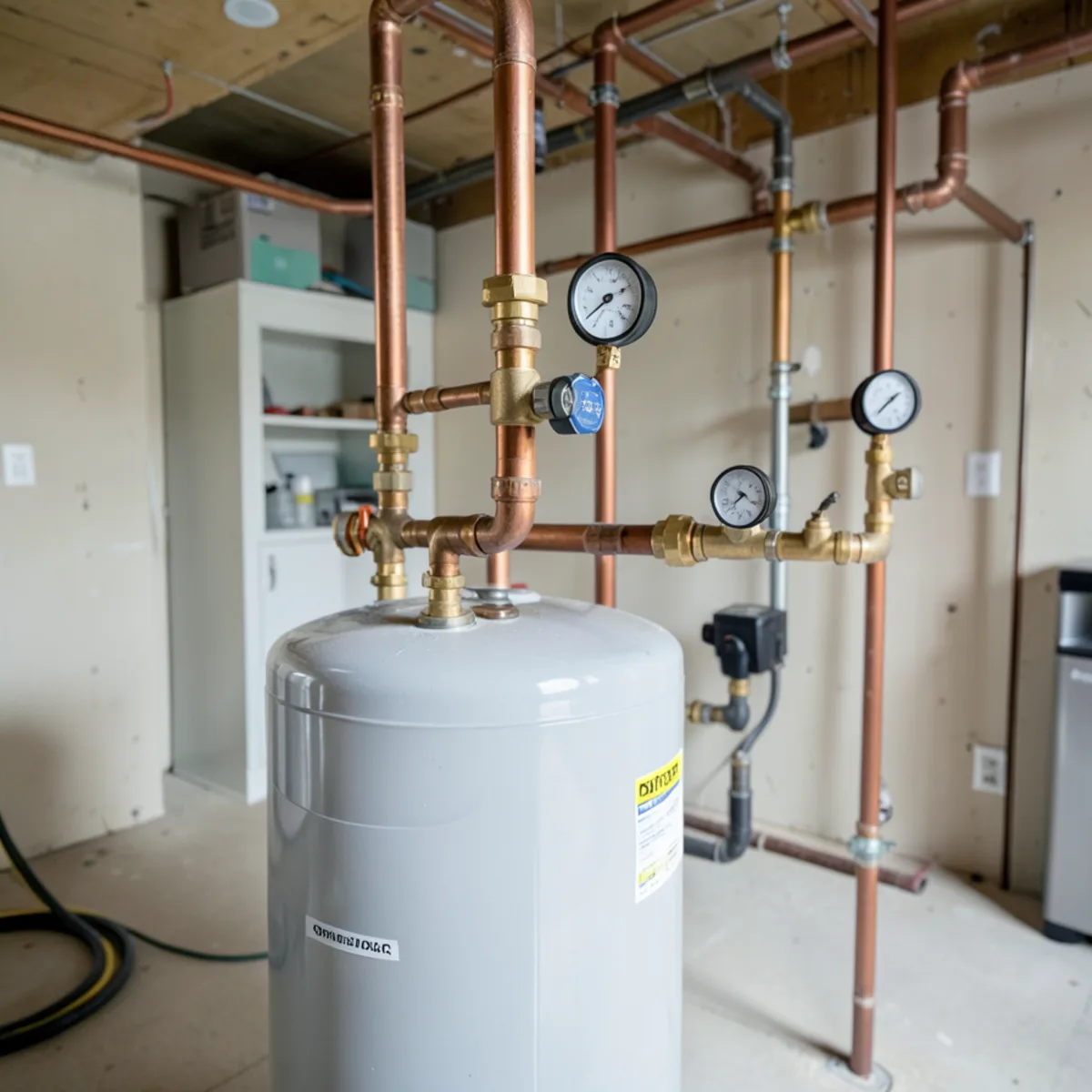
When an Electric Storage Water Heater Is the Best Choice
Electric water heaters represent the optimal hot water configuration for several common Arapahoe County home layouts:
- Residing in a condominium, townhome, or subdivision where natural gas service lines are unavailable
- Mechanical rooms situated in central interior closets where routing exhaust venting to exterior walls is structurally impossible
- Replacing an existing 240V electric storage unit that has reached the end of its 10 to 12-year operational lifespan
- Integrating clean electric heating with residential rooftop solar photovoltaic systems to achieve net-zero operating costs
- Desire for an exceptionally quiet water heating appliance operating with zero combustion fumes or burner flame noise
Electrical Engineering & Colorado Cold-Water Demands
Properly engineering an electric water heater along the Front Range requires accounting for severe seasonal water temperature swings. In Littleton, winter municipal supply water enters homes at roughly 38°F, necessitating an intense heating differential to deliver comfortable 120°F water. In modern residential electric water heaters, this thermal workload is managed by dual 4,500-watt heating elements wired with a non-simultaneous thermostat interlock. When a hot water draw begins, the upper thermostat activates the upper 4500W element to heat the top quarter of the tank rapidly for immediate shower availability. Once the upper water reaches 120°F, control switches to the lower element to heat the remaining tank volume. Because heating elements remain energized for longer duty cycles during freezing Colorado winters, installing low-watt-density Incoloy alloy elements is essential to prevent rapid calcium mineral bake-on from hard water.
Extended winter duty cycles: 38°F incoming groundwater requires sustained 4,500W electrical heating stages.
Mineral scale element burnout: hard water minerals form an insulating crust on standard copper elements, causing premature failure.
Dedicated 30-amp electrical load: National Electrical Code mandates that continuous heating loads not exceed 80% of circuit capacity.
Closed-loop thermal expansion: municipal backflow check valves trap expanding heated water, requiring expansion bladders.
Dry-fire element risk: energizing 240V power before the steel vessel is completely filled instantly destroys heating elements.
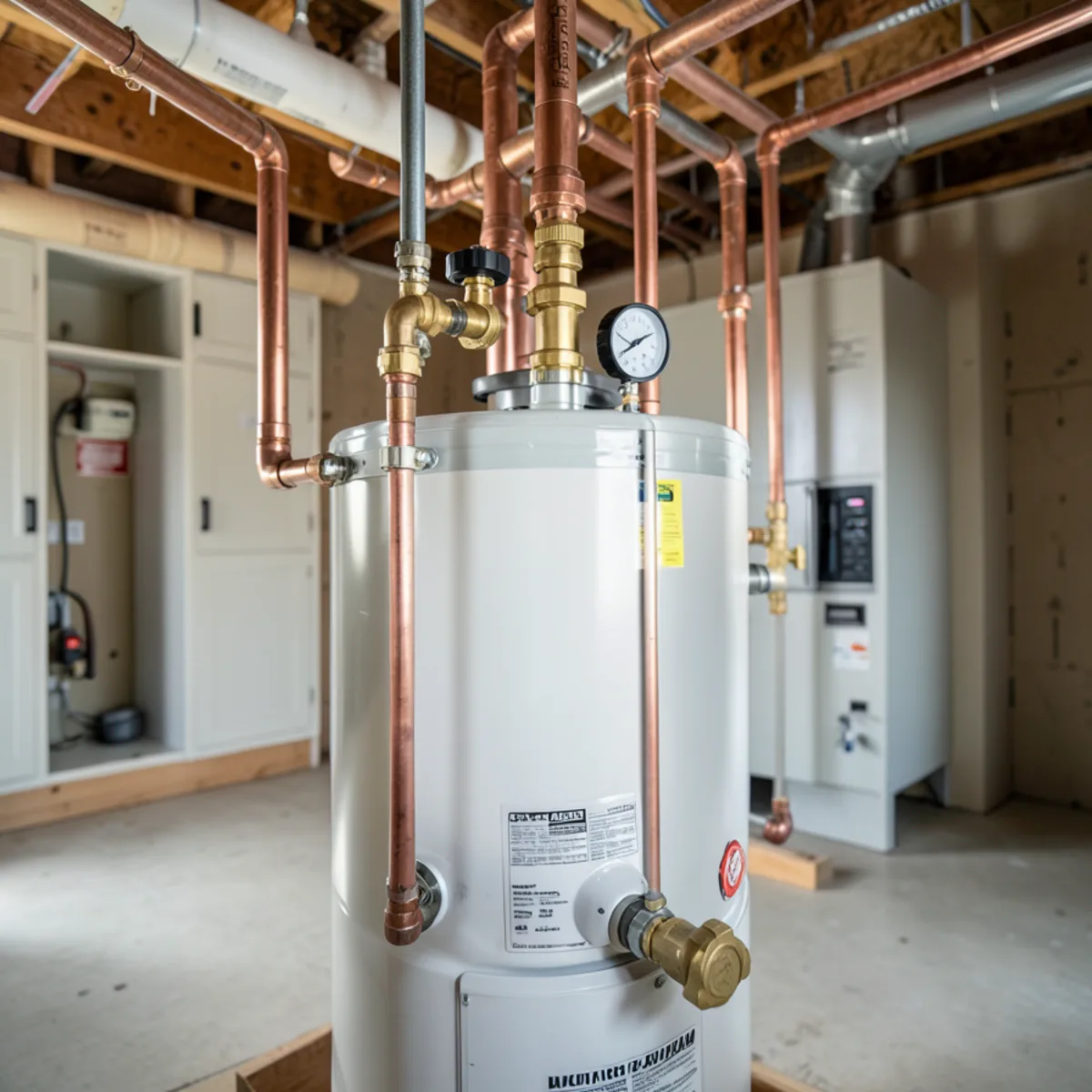
Our Pre-Installation Electrical & Plumbing Survey
Electrical Panel & Circuit Breaker Audit
We inspect your main breaker box to confirm a dedicated 240V 30-amp double-pole circuit with 10-gauge copper wiring.
Voltage & Amperage Verification
We test electrical line voltage with digital multimeters under full household load to confirm stable 240V delivery.
Plumbing Supply & Line Pressure Mapping
We measure incoming water pressure and verify that existing copper supply pipes feature functional shutoff valves.
First Hour Rating Household Sizing
We match storage volume (40, 50, or 65 gallons) to your family size and simultaneous morning fixture demands.
6-Step Turnkey Electric Water Heater Installation Workflow
Electrical Lockout & Workspace Preparation
We unroll heavy neoprene hallway runners and test disconnect terminals for residual voltage before uncoupling wires.
Decommissioning & Eco-Friendly Haul-Away
We isolate the cold water supply, evacuate the old tank water, dismount the old unit, and load it for metal recycling.
Appliance Placement & Containment Pan Setup
We place the unit into a containment basin and adjust shims until plumb to eliminate mechanical stress.
Plumbing Connections & Expansion Vessel Integration
We mount full-port brass isolation shutoffs, insert dielectric isolating nipples, and charge an expansion diaphragm.
240V Electrical Wiring & Dry-Fire Verification
We connect armored flexible conduit, fill the vessel completely, purge all trapped air, and only then energize 240V power.
Amperage Testing & Littleton Permitting
We measure active amperage draw (18.75 amps), verify thermostat calibration at 120°F, and file city permit paperwork.
Need a High-Durability Electric Water Heater Installed?
Call our Mineral Ave electrical plumbing dispatch at (201) 277-9344. Upfront flat rates, 240V circuit checks, and prompt Littleton service.
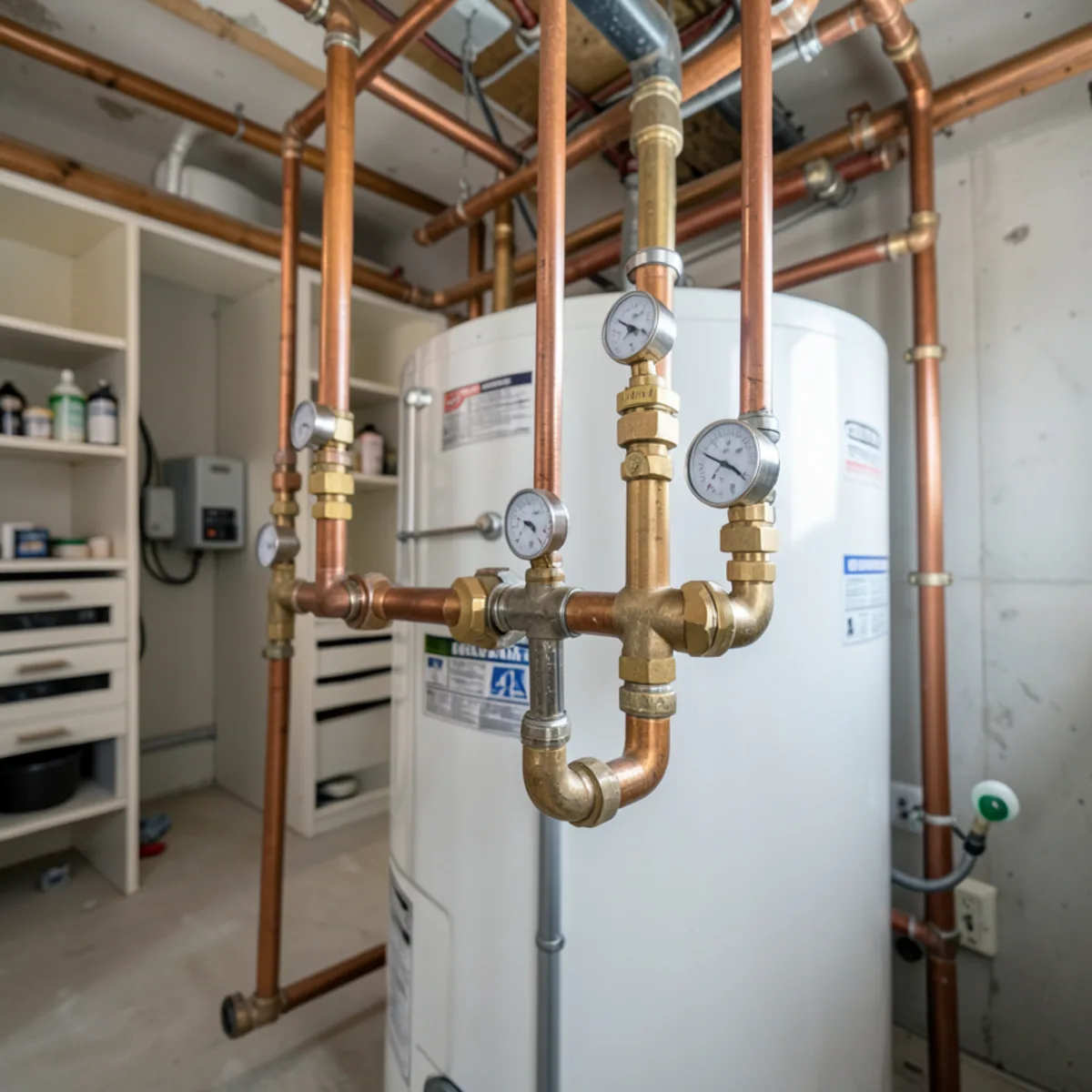
Transparent Pricing Factors for Electric Water Heater Installations
Installing a residential electric storage water heater in Littleton is generally one of the most cost-effective water heater projects because equipment design is straightforward and requires no complex combustion venting or chimney flues. Baseline replacements—swapping an existing 40 or 50-gallon electric heater with intact 240V 30-amp wiring and plumbing connections—represent our most economical installation tier. Costs adjust when upgrading to a larger 65-gallon capacity or if electrical service updates, such as running new 10-gauge Romex wiring or installing a dedicated breaker, are required. Primary cost components include:
- •Storage tank capacity: standard 40-gallon units for townhomes vs. high-capacity 50 or 65-gallon systems for family residences
- •Heating element construction: standard copper elements vs. commercial-grade low-watt-density Incoloy scale-resistant elements
- •Electrical rough-in updates: utilizing existing 240V wiring vs. pulling a new 10-gauge dedicated line from the breaker panel
- •Required plumbing code hardware: pressurized expansion tanks, dielectric unions, and watertight containment basins
- •City of Littleton municipal permitting: official dual-trade electrical and plumbing permit documentation and city inspector signoff
City of Littleton Permitting & NEC Article 422 Electrical Codes
All electric water heater installations in the City of Littleton must satisfy both the International Plumbing Code (IPC) and the National Electrical Code (NEC Article 422). Because electric water heaters are classified as continuous electrical loads drawing 18.75 amps at 4,500 watts, municipal code requires a dedicated 240-volt, 30-amp double-pole breaker supplied by minimum 10-gauge copper conductors. Electrical connections must be protected inside approved flexible conduit or armored cable with a local disconnecting means within sight of the appliance or a breaker lock-out in the main panel. Additionally, city plumbing code mandates an ASME-rated temperature and pressure relief valve piped within 6 inches of the floor, seismic strapping, and an expansion reservoir on closed plumbing loops. Our licensed team files all necessary permits with the City of Littleton Building Division and coordinates the final inspection.
Why Littleton Residents Rely on Our Electric Plumbing Specialists
Installing an electric water heater requires equal mastery of high-voltage electrical safety and precision plumbing craft. Headquartered at 1221 W Mineral Ave in Littleton, our licensed professionals possess specialized dual-trade training. We never cut corners on wire gauges, circuit breaker sizing, or thermal expansion protection. We exclusively install commercial-grade Bradford White and Rheem electric water heaters manufactured with brass drain valves and premium Incoloy heating elements. Every installation is backed by an upfront written quote, complete municipal permit processing, and our 1-year parts and labor guarantee.
Priority Service Areas for Electric Water Heater Installations
Littleton, CO
Turnkey electric water heater installations and city inspections across Downtown Littleton, Broadhill, and TrailMark.
Centennial, CO
Upgrading electric water heaters for townhomes and condominiums along University Blvd and Arapahoe Rd.
Highlands Ranch, CO
High-capacity 50 and 65-gallon electric installations and expansion tank upgrades throughout Douglas County.
Englewood, CO
Installing quiet electric storage units for residences without natural gas connections near S Broadway.
Ken Caryl, CO
Incoloy scale-resistant electric water heater setups for foothill residences west of C-470.
Columbine, CO
Replacing aging electric tanks with premium Bradford White units near Columbine Country Club.
Lakewood, CO
Zero-emission electric water heating installations for multi-family complexes along S Wadsworth Blvd.
Greenwood Village, CO
High-reliability electric water heating systems and dedicated 30-amp circuit verification near DTC.
Sheridan, CO
Fast, affordable electric water heater replacements with full municipal permit signoff near S Federal Blvd.
Lone Tree, CO
Modern electric storage water heater upgrades and expansion vessel installations near Lincoln Ave.
Frequently Asked Questions About Electric water heater installation in Littleton, CO
Standard residential electric water heaters require a dedicated 240-volt, 30-amp double-pole circuit breaker wired with minimum 10-gauge non-metallic (NM-B Romex) or armored copper wiring. Sharing this circuit with any other household appliance is a code violation.