
Water heater expansion tank installation in Littleton, CO
Thermal expansion tanks absorb dangerous hydraulic pressure spikes created when cold water heats inside closed municipal plumbing systems, preventing ruptured tanks, weeping relief valves, and fixture damage. Stationed at 1221 W Mineral Ave in Littleton, our licensed plumbers size, calibrate, and install heavy-duty potable expansion vessels to protect Front Range homes and ensure full code compliance.
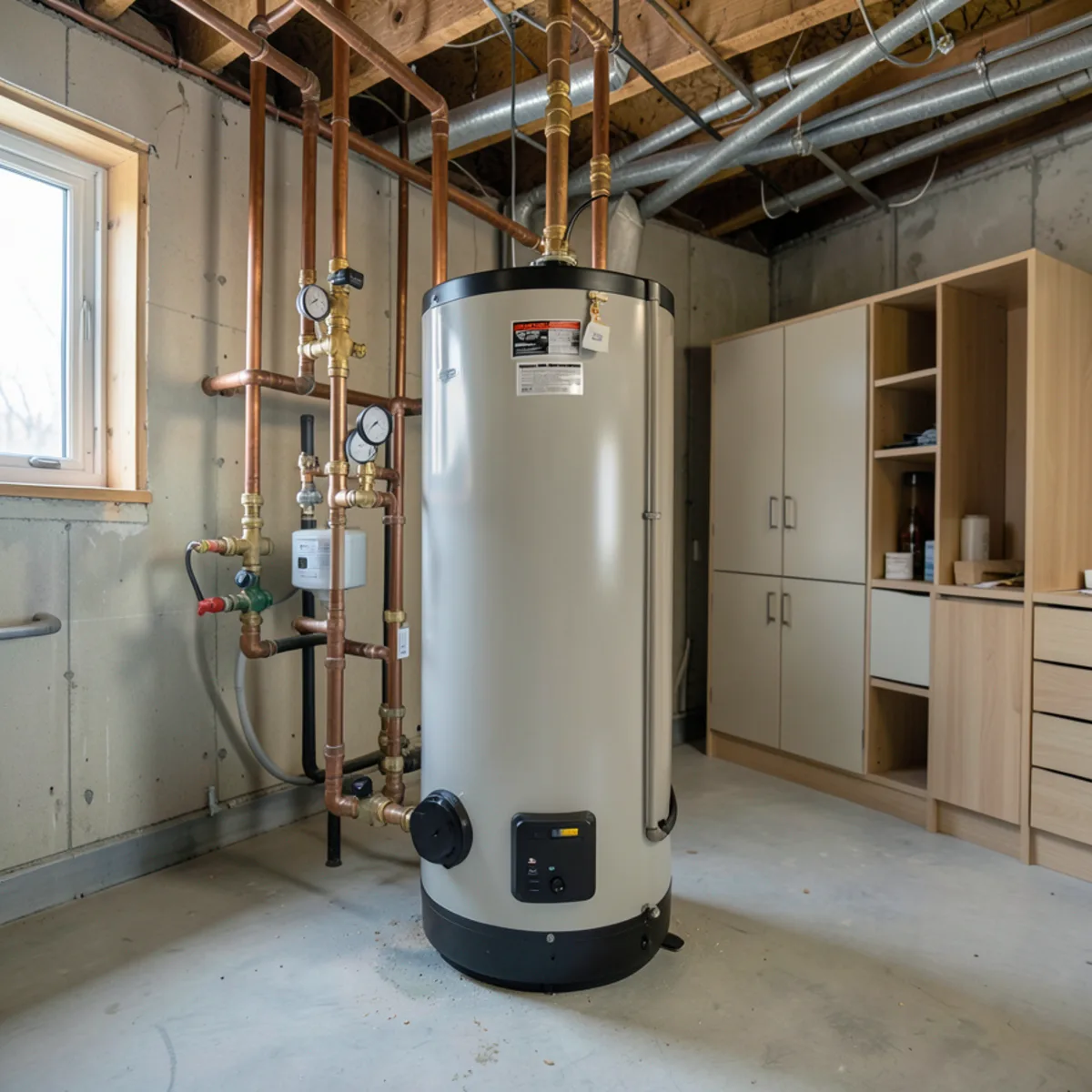
Turnkey Thermal Expansion Tank Sizing, Calibration & Mounting
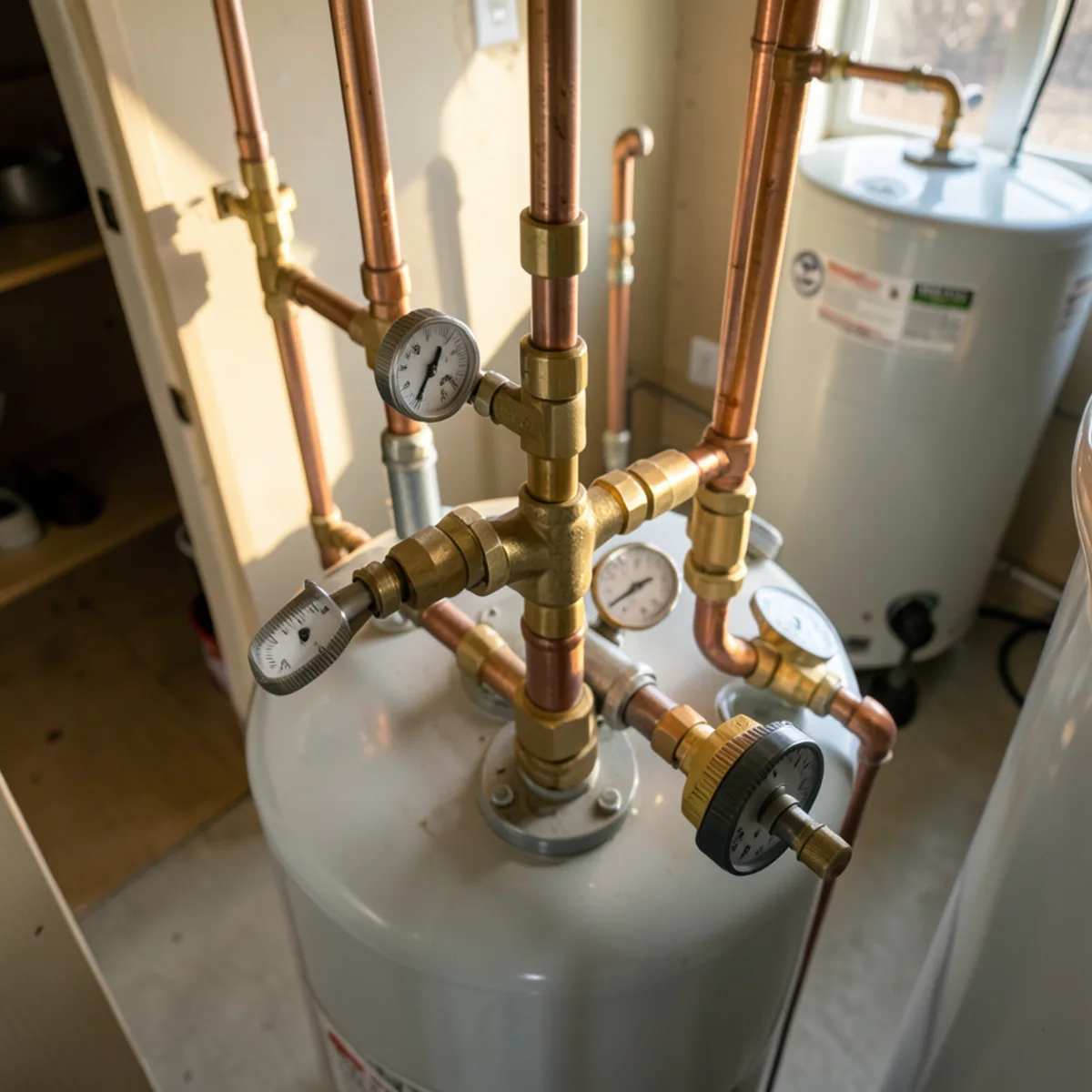
Our potable expansion tank installation service delivers essential hydraulic protection for residential water heaters throughout Littleton and the southwest Denver metro. When municipal water providers mandate backflow check valves or pressure-reducing valves (PRVs) at your water meter, your home plumbing becomes an unyielding closed loop. Heating 50 gallons of cold tap water causes liquid volume to expand by nearly a gallon; without an engineered air cushion, water pressure surges past safe thresholds, destroying valve gaskets, fatiguing appliance tank welds, and forcing safety relief valves to discharge. Our plumbers test baseline street pressure using precision dial gauges, size heavy-duty Amtrol Therm-X-Trol expansion vessels, pre-charge the internal butyl diaphragm with compressed air to mirror your home’s exact incoming PSI, and install rigid copper support tees with structural wall strapping per International Plumbing Code requirements.
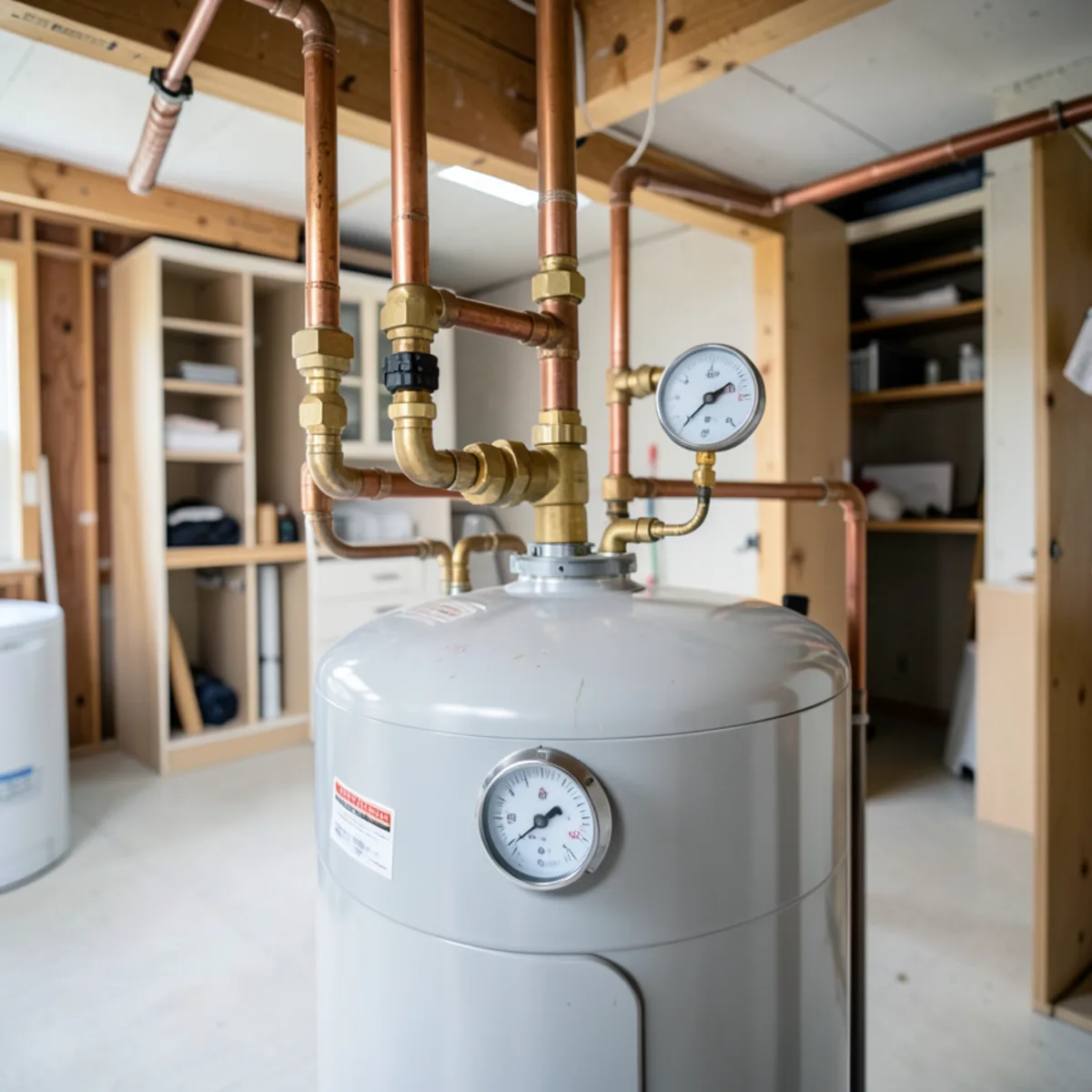
Telltale Symptoms of a Missing or Failed Thermal Expansion Tank
Littleton homeowners should suspect an unmitigated thermal expansion issue upon noticing these warning signs:
- Temperature and pressure relief valve periodically dripping onto the floor during or immediately after water heating cycles
- Household water pressure surging violently when opening a sink faucet for the first time after hours of non-use
- Toilet fill valves hissing, running intermittently, or failing prematurely from cyclic over-pressurization
- Existing expansion tank feeling completely heavy, cold, and waterlogged when tapped on top near the air valve
- Recent installation of a municipal water meter check valve or pressure-reducing valve (PRV) on your main supply line
The Physics of Hydraulic Pressure Spikes in Closed Colorado Systems
Water is an incompressible physical fluid: when heated, it expands in volume, but its molecules cannot be squeezed into a smaller space. In Littleton homes served by Denver Water, Littleton Electric Light & Power, or Highlands Ranch Metro District, backflow prevention devices and dual-check valves at the water meter prevent expanded water from pushing backward into the municipal main line. As a standard 50-gallon water heater raises incoming 38°F winter water to 120°F, the water expands by approximately 2% in volume—creating nearly one full gallon of excess liquid. In an unprotected closed system, this trapped thermal expansion causes household line pressure to spike rapidly from a normal 55 PSI up to 140–160 PSI. These repetitive cyclic pressure surges exceed the maximum 80 PSI working limit established by the International Plumbing Code, repeatedly flexing the water heater’s inner steel vessel until structural welds split or safety relief springs weep.
Closed plumbing loops: municipal backflow check valves prevent expanding hot water from escaping into the street.
Liquid incompressibility: water expands by ~2% during heating, driving hydraulic pressure spikes past 150 PSI.
Ruptured butyl bladders: age and constant pressure cycling tear interior rubber diaphragms, waterlogging older expansion tanks.
Uncalibrated factory air charges: expansion tanks installed straight out of the box without matching street PSI fail to absorb volume.
Pressure-reducing valve (PRV) lockouts: failing pressure regulators trap expanding water volume on the house side of the meter.
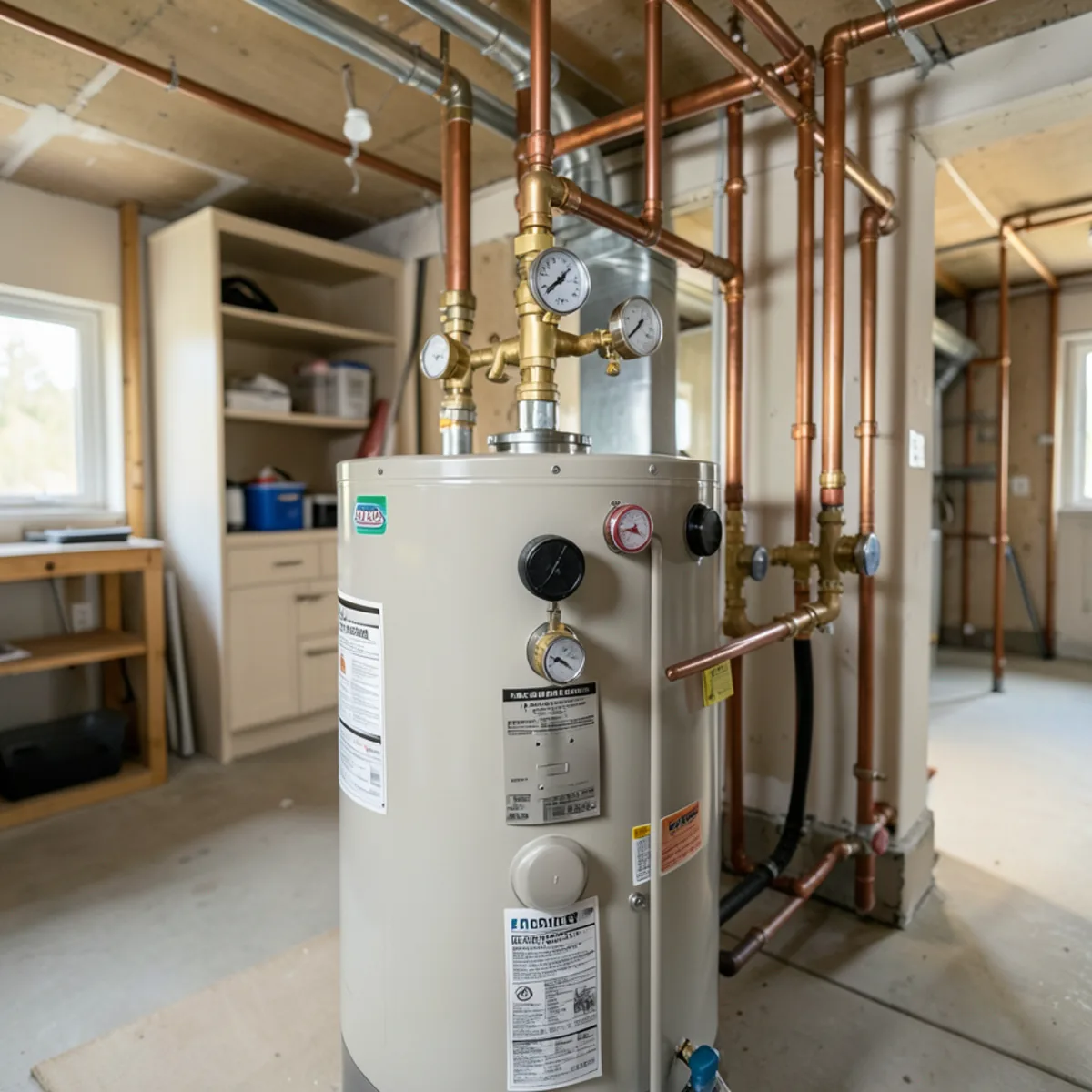
Our 4-Step Thermal Pressure & Expansion Tank Diagnostic Protocol
Static Water Line Pressure Measurement
We thread liquid-filled dial test gauges onto a hose bibb to log baseline household pressure and check for thermal spikes.
Pressure Reducing Valve (PRV) Creep Audit
We verify that your main pressure-reducing regulator holds pressure below the 80 PSI municipal code ceiling.
Schrader Valve Air Chamber & Bladder Test
We depress the tank’s Schrader valve pin: escaping air confirms an intact bladder; water discharge proves a ruptured tank.
Structural Mounting & Pipe Stress Survey
We inspect existing plumbing rough-ins to ensure heavy water vessels have dedicated pipe strapping and seismic supports.
6-Step Littleton Expansion Tank Installation & Calibration Workflow
Static Pressure Logging & Air Pre-Charging
We record household water pressure (e.g., 60 PSI) and use a digital gauge and air pump to match the tank pre-charge exactly.
Supply Water Isolation & Pressure Relief
We close the cold water supply valve and open an adjacent hot water fixture to relieve internal line pressure.
Cold-Supply Copper Tee Fabrication
We cut into the incoming cold water pipe above the heater and solder a heavy-duty copper tee with a dielectric transition.
Vessel Threading & Structural Support Securing
We thread the calibrated Amtrol tank into place using high-density Teflon tape and anchor structural pipe support brackets.
System Re-Pressurization & Hydrostatic Leak Check
We restore full water pressure, purge air from the line, and inspect every soldered and threaded joint for zero weeping.
Thermal Spike Cycling Test & Code Signoff
We fire the water heater, monitor line pressure gauges during active heating to verify pressure stability, and document signoff.
Protect Your Water Heater from High-Pressure Surges
Stop relief valve leaks and protect your plumbing with an engineered expansion tank. Call our Littleton team at (201) 277-9344 for prompt service.
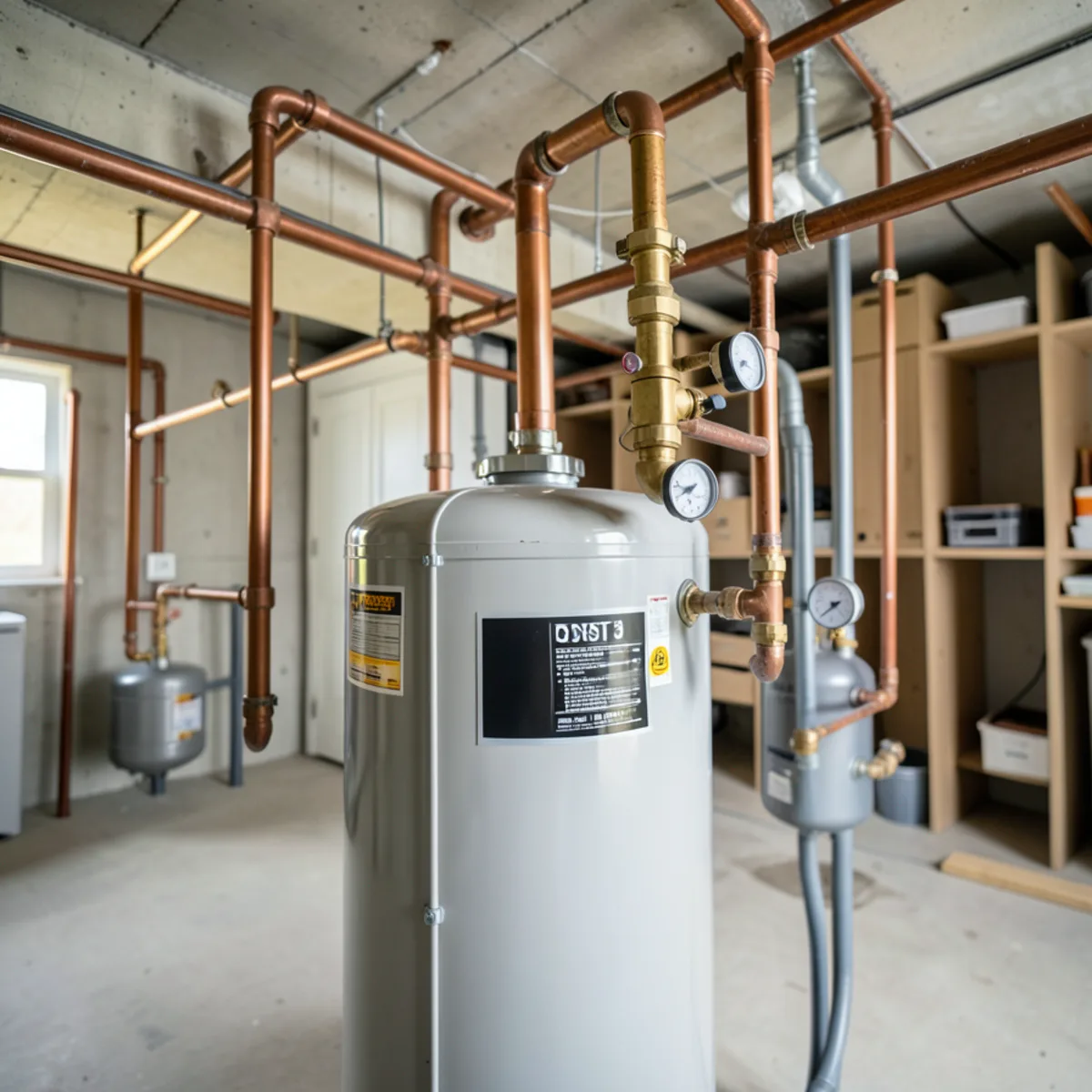
Expansion Tank Installation Pricing & Preventative Value
Installing a certified thermal expansion tank is an economical preventative upgrade that delivers immense financial protection for your entire home. Compared to the $2,000+ expense of replacing a ruptured water heater or repairing flooded basement drywall, an expansion tank installation represents a modest, single-visit project. Standard installations utilizing an industry-benchmark 2.0-gallon Amtrol Therm-X-Trol tank include precision pre-charging, copper tee plumbing, structural strapping, and full hydrostatic testing. If static household water pressure from the street exceeds 80 PSI, pairing the installation with a new main pressure-reducing valve (PRV) is recommended to ensure complete plumbing protection. Key cost factors include:
- •Vessel capacity: 2.0-gallon (Amtrol ST-5) for 40 to 50-gallon tanks vs. 4.4-gallon (Amtrol ST-12) for 75-gallon heavy-demand tanks
- •Plumbing configuration: simple replacement on an existing copper tee vs. fabricating new soldered copper rough-ins
- •Main pressure-reducing valve (PRV) status: installing a new Wilkins or Watts PRV if street pressure exceeds 80 PSI
- •Structural support requirements: adding heavy-duty wall-mount brackets to prevent pipe joint stress from waterlogged weight
- •Long-term asset protection: shielding appliances, fixture cartridges, and water heater weld seams from fatigue
International Plumbing Code Section 607.3 & Littleton Mandates
Under Section 607.3 of the International Plumbing Code (IPC) as adopted by the City of Littleton Building Division, thermal expansion control is legally mandatory on all closed-loop potable water heating systems. Whenever a backflow preventer, check valve, or pressure-reducing valve is present on the domestic water service, code requires an approved device for controlling pressure created by thermal expansion. Furthermore, IPC Section 604.8 mandates that maximum static water pressure within residential buildings cannot exceed 80 PSI. City plumbing inspectors specifically verify that expansion tanks are installed on the cold supply line, properly supported with dedicated structural brackets, and pre-charged to match household line pressure. Our licensed plumbers guarantee 100% compliance with Littleton municipal regulations.
Why Littleton Homeowners Trust Our Closed-System Specialists
Thermal expansion tanks must be properly calibrated, not just screwed onto a pipe. Located at 1221 W Mineral Ave in Littleton, our licensed plumbers carry precision pressure testing equipment, digital tire gauges, and genuine American-made Amtrol Therm-X-Trol vessels on our mobile service trucks. We never guess at pre-charge pressure: we measure your home’s exact incoming PSI and match the air bladder pressure with precision before introducing water. We protect your home, use rigid copper fittings with structural strapping, and back every installation with our 1-year parts and labor warranty.
Priority Service Corridors for Expansion Tank Installations
Littleton, CO
Closed-system expansion tank retrofits and city plumbing signoffs across Downtown Littleton and TrailMark.
Centennial, CO
Testing high street water pressure and installing Amtrol expansion tanks along University Blvd.
Highlands Ranch, CO
Replacing failed waterlogged expansion vessels across Northridge, Westridge, and Southridge.
Englewood, CO
Protecting vintage plumbing connections from thermal expansion surges near S Broadway.
Ken Caryl, CO
Managing foothill water pressure spikes and relief valve discharge west of C-470.
Columbine, CO
Installing code-mandated expansion reservoirs near Columbine Country Club and Bowles Ave.
Lakewood, CO
Resolving toilet hissing and thermal pressure spikes for residences along S Wadsworth Blvd.
Greenwood Village, CO
High-capacity expansion tank installations and PRV calibrations near the DTC corridor.
Sheridan, CO
Affordable expansion tank replacements with full municipal code compliance near S Federal Blvd.
Lone Tree, CO
Modern expansion tank upgrades and pressure regulator testing near Park Meadows and Lincoln Ave.
Frequently Asked Questions About Water heater expansion tank installation in Littleton, CO
Most homes in Littleton have a closed plumbing system due to check valves or pressure-reducing valves at the water meter. When water heats, it expands. An expansion tank provides an air cushion that absorbs this extra volume, preventing dangerous pressure spikes that burst pipes and rupture water heaters.